The Board of Trade remains focused on advancing the priorities that matter most to Greater Washington. This July newsletter shows a variety of engagements we have had across Greater Washington with members and public officials, while also showcasing meaningful updates on priorities we are following in the region. We also have a variety of member news updates that showcase regional collaboration!
Author: Board of Trade
So Much Power, No Platform: Executive Leaders Discuss Fixing the Disconnect in Regional Progress

The Capital Region stands at a pivotal crossroads. We have all the assets we need to be one of the world’s most competitive, inclusive, and resilient economic hubs — yet we lack the collective operating system to truly activate them.
At the Board of Trade’s recent Executive Leadership Roundtable in partnership with Comcast, leaders across business, education, and civic sectors agreed: Our region is not short on resources. We are rich in capital, talent, innovation, and infrastructure, but these elements operate in silos.
We heard a striking metaphor: “Our region is an app store without an operating system.” We have incredible individual capabilities, but they are not plugged into a cohesive system that drives shared outcomes.
Participants emphasized that to transform, we must:
- Move from a zero-sum mindset to shared growth.
- Align educational and workforce systems with the region’s evolving economic identity.
- Streamline regulatory frameworks to support speed and innovation.
- Shift from process-driven philanthropy to outcome-focused investment.

Inclusion remains a central imperative. With deep disparities in literacy, income, and access to opportunity — for example, 47% of adults in Ward 7 read at a first-grade level — we cannot build a prosperous region without confronting these foundational issues.
As one participant noted, “We have the assets of a Silicon Valley, but not the mindset.” Changing this requires collective vision and action across public and private sectors, underpinned by bold leadership.
Participants explored forward-looking strategies to ensure the Capital Region remains competitive, resilient, and inclusive. Insights from this session will help shape ongoing regional dialogues and inform the collaborative work of the Potomac Conference — a platform designed to synthesize diverse perspectives and surface shared priorities across jurisdictions and sectors.
The time to act is now. We can no longer afford to admire our challenges — we must design, build, and sustain the systems that will define our shared future.
Thank you to Comcast and its government affairs executive, Misty Allen, for partnering and helping us facilitate this discussion. Learn more about the work of Comcast’s Project UP and how this initiative is helping expand internet access around Greater Washington and the United States: https://bit.ly/4lOoMQU
Letter of Support for Proposed I-495 Southside Express Lanes Project
About this Letter of Support:
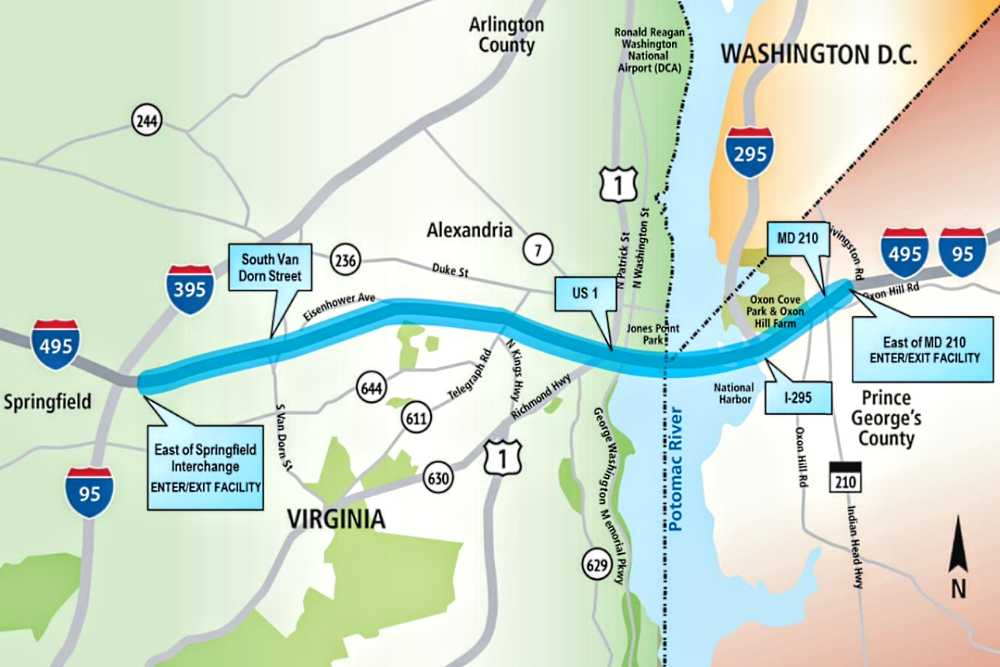
In a June 26 letter to the Transportation Planning Board, the Greater Washington Board of Trade expressed strong support for the proposed I-495 Southside Express Lanes project, citing its potential to ease congestion, support transit, and strengthen regional competitiveness. The letter highlights the project’s preservation of free lanes, addition of high-occupancy toll lanes, and integration of multimodal infrastructure including express bus service, biking, and pedestrian access. It also emphasizes the importance of maintaining right-of-way for future Metrorail expansion and notes that the project delivers critical improvements without new taxes. The Board urged VDOT to move forward, calling the investment essential for economic resilience and mobility in Greater Washington.
Letter of Support:
June 26, 2026
Chair James Walkinshaw,
On behalf of the Greater Washington Board of Trade, I write to express strong support for the proposed I-495 Southside Express Lanes project, now under review through the National Environmental Policy Act (NEPA) process.
Founded in 1889, the Board of Trade is the region’s leading non-partisan business organization, representing a broad cross-section of industries, nonprofits, universities, and government agencies across D.C., suburban Maryland, and Northern Virginia. We focus on inclusive economic growth, a competitive business climate, and strategic investments in transportation and infrastructure that drive regional vitality and quality of life. That’s why we support proposals like the new express lanes from Springfield across the Woodrow Wilson Bridge to I-295 — a forward-thinking, multimodal solution to one of our region’s most critical transportation challenges.
This project will benefit all who live, work, and travel in the corridor. It preserves the existing free lanes while adding high-occupancy toll lanes that are free for transit and carpoolers. It also includes critical investments in transit, biking, and pedestrian access. Notably, it preserves the right-of-way for future Metrorail expansion across the Woodrow Wilson Bridge and provides immediate funding for express bus service to build ridership and strengthen future demand.
Most importantly, this solution balances the urgent need for mobility improvements with long-term environmental and equity considerations. Without action, travel times on this segment of the Beltway are projected to double in the coming decades — worsening access to jobs, increasing emissions, and undermining the region’s economic resilience.
This project unlocks billions of dollars in transportation infrastructure investment without raising taxes or diverting funding from other critical regional needs. For our region to remain competitive and connected in a fast-changing economy, that kind of infrastructure investment is not just welcome — it’s essential.
We urge the Virginia Department of Transportation to move forward with the I-495 Southside Express Lanes project and to continue engaging stakeholders throughout implementation. The Board of Trade stands ready to support this effort and work collaboratively with our public and private partners to ensure a more connected, competitive, and sustainable region.
Sincerely,
Jack McDougle
President & CEO
Greater Washington Board of Trade
A new identity for Greater Washington: From policy powerhouse to innovation engine | WBJ Viewpoint
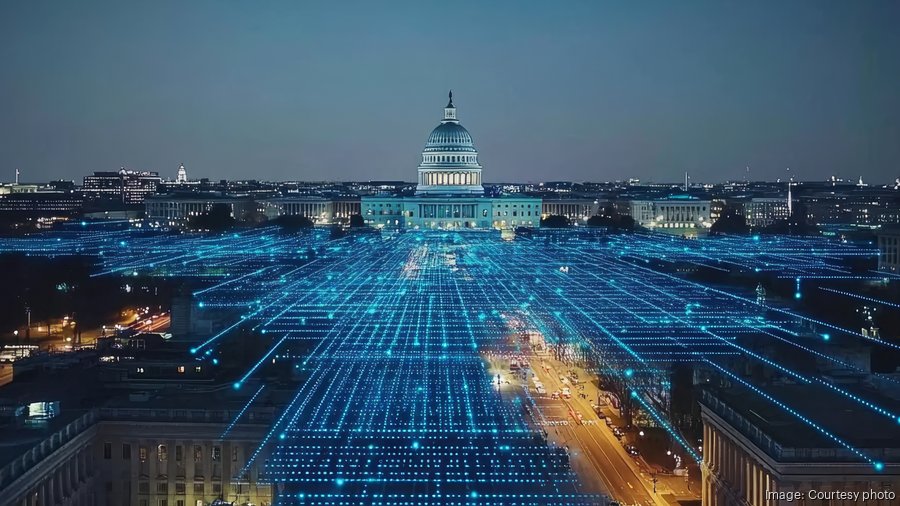
From tech talent and research strength to public purpose and inclusive growth, our Greater Washington region has the ingredients to lead as a global innovation powerhouse. But bold coordination is needed.
In his Washington Business Journal viewpoint, our President & CEO, Jack McDougle, highlights the region’s unique advantages—policy expertise, technical talent, and public purpose—and outlines six strategic priorities to turn ambition into impact.
ABOUT THE BOARD OF TRADE
The Greater Washington Board of Trade, founded in 1889, is the region’s premier non-partisan business organization representing industry, nonprofits, universities, and government agencies. The Board of Trade addresses complex and always-evolving business concerns that stretch across the District of Columbia, suburban Maryland and Northern Virginia, with a priority focus on inclusive economic growth, improving the business climate, and enhancing the region’s economic competitiveness.
READ MORE POLICY ISSUES AND TOPICS THE BOARD OF TRADE IS FOLLOWING
- Beyond the Data: 2024 NAEP math results are alarming
- Looking Ahead: The Road to 2025 and Beyound for GWBOT Policy Team
- Virginia gubernatorial candidate Abigail Spanberger meets with Greater Washington’s business community
- Waterway Economics: Funding increases for region’s Post of Baltimore and Port of Virginia
- Testimony: Downtown Arena Revitalization Act of 2024 (DC B25-1004)
New laws in Maryland and Virginia take effect; could impact certain businesses

Between June and July, residents of Maryland and Virginia will see new legislation taking effect across various sectors, which could have a significant impact on businesses, communities, and people traveling between all jurisdictions in the DMV. Here is a look at some of these laws that could impact business owners, regional professionals, and growing communities in the region.
(Washington D.C. laws typically take effect in January. The Board of Trade will continue to proactively monitor the legislation’s impact on business communities in Greater Washington.)
Virginia:
As we head into the summer months, several important new laws will take effect across Virginia, impacting everything from workforce agreements to road safety. These changes reflect the state’s ongoing efforts to protect employees, enhance public safety, and promote fairness in the workplace. These laws discussed below in Virginia take effect on July 1.
Non-Compete Agreements: Expanded Worker Protections
Virginia will prohibit employers from enforcing non-compete clauses with non-exempt employees, those eligible for overtime pay under federal law. This shift is designed to give workers greater freedom to change jobs and encourage a more dynamic labor market. Employers may need to rethink retention strategies in a more mobile and competitive labor market.
Sexual Assault Employer Accountability Act
Another significant change focuses on employer accountability. The Sexual Assault Employer Accountability Act allows victims to hold employers civilly liable for misconduct committed by their employees, especially when vulnerable individuals—such as patients or residents in long-term care—are involved. This law underscores the state’s commitment to protecting those who may be at greater risk and ensuring organizations maintain safe environments. Employers must ensure robust safeguards and oversight in their workplace environments.
Christopher King Backseat Law: Seatbelt Requirement for All Adults
On the road safety front, Virginia is expanding its seatbelt laws to require all adults riding in the backseat to buckle up. Beginning July 1, those who fail to wear a seatbelt in the backseat may face a $25 fine. This measure, known as the Christopher King Backseat Law, is a vital step toward reducing injuries and fatalities on Virginia’s roads. Companies with rideshare programs, shuttle services, or delivery fleets must ensure drivers and passengers follow this law. Businesses may need to incorporate road safety reminders into onboarding or safety briefings. Failure to comply could result in citations that reflect poorly on a company’s safety culture.
Criminal Records Sealing: Supporting Second Chances
The state is advancing criminal justice reform by allowing individuals to petition for the sealing of certain criminal convictions. This change will open doors for many Virginians seeking new employment or housing opportunities, supporting reintegration and second chances. Employers may have less visibility into candidates’ full criminal history, making risk assessment more difficult. Also, employers must ensure hiring decisions don’t discriminate against applicants with sealed records, while still complying with other regulatory requirements.
Maryland:
As of June 1, several new laws are in effect in Maryland that could have a direct impact on businesses—particularly in sectors like energy, tourism, transportation, legal services, and hospitality. This includes new tax changes and rate changes for certain people and businesses.
Maryland Tax Changes
Maryland’s updated budget includes a 3% sales tax on certain tech services—such as data storage—targeted at IT companies. Notably, this tax does not apply to mobile phone services.
The budget also introduces new income tax brackets for top earners: individuals making $500,000 annually will face a 6.25% rate, while those earning $1 million or more will be taxed at 6.5%.
Additionally, a 2% capital gains tax now applies to individuals with incomes over $350,000, and tax rates have increased on both cannabis sales and sports betting.
Next Generation Energy Act
This legislation includes providing two $40 energy rebates to consumers in Fisical Year 2026 and also ends public subsidies for waste-to-energy incinerators, signaling a shift toward more sustainable energy sources. Utilities, energy companies, and large-scale energy consumers should prepare for both administrative burdens around rebates and longer-term transitions in energy policy. This law reinforces Maryland’s move toward greener infrastructure. Businesses with sustainability goals or those operating in the clean energy space may find new opportunities, but traditional energy providers may see changes in incentive structures.
Speed Camera Expansion on I-83
Baltimore City is authorized to double the number of speed cameras on the Jones Falls Expressway (I-83), increasing from 2 to 4. This may seem minor, but for logistics companies or anyone relying on that corridor, increased enforcement can mean higher ticket volumes, stricter route planning, and greater need for driver training. It’s a reminder to prioritize traffic law compliance, especially for regional operations.
Portable Toilet Regulations for Agritourism and Craft Beverage Venues
Wineries, breweries, farms, and other agritourism businesses must now provide portable toilets equipped with soap, clean water, and drying tools. For businesses hosting events, tastings, or public visits, this could mean new capital and operating costs for sanitation equipment, maintenance, and inspections. It also represents Maryland’s continued focus on aligning agritourism with public health standards. If you’re expanding or investing in on-site visitor experiences, this should be part of your planning and permitting strategy.
Abuse Lawsuit Settlement Caps
This law sets financial limits on the amount of damages that can be awarded in abuse-related lawsuits. This is a cap of $400,000 for claims against public institutions and a cap of $700,000 for claims against private entities. Caps on attorney fees will also be set at 20-25%. Organizations, especially schools, nonprofits, religious institutions, and private employers, should take note. These limits may reduce exposure to catastrophic settlements, but they also emphasize the importance of robust internal safeguards, incident reporting mechanisms, and legal risk management practices. While this could offer more predictability in litigation, it won’t replace the need for due diligence and compliance.
Elevating Leadership Through Human Connection: Strategic Decision-Making in the Kitchen
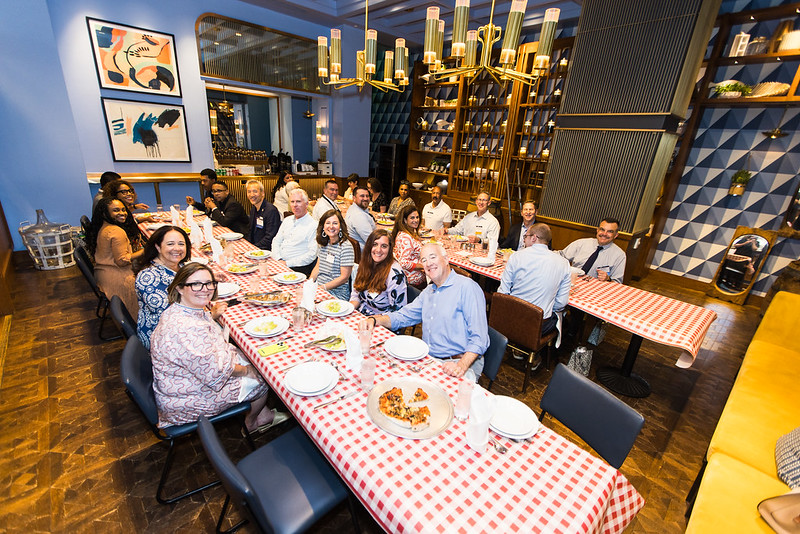
As today’s leaders navigate increasingly complex environments, the 2025 TD Bank Morning Star Speaker Series offers a refreshing reminder: some of the most powerful leadership lessons happen not in the boardroom, but in dynamic, human-centered experiences.
On June 26, the Board of Trade, in partnership with TD Bank and MGM National Harbor, hosted the second installment of this year’s Morning Star Speaker Series—Strategic Leadership Through Culinary Teamwork. Set in the warm, vibrant space of Osteria Costa, the event brought together senior executives and rising leaders for an interactive experience centered on collaboration, trust, and shared ownership.
From the Kitchen to the Leadership Table
The session featured MGM Executive Chef Anthony Cieplinski, who guided attendees through a hands-on culinary challenge—crafting custom pizzas in pairs—while delivering thoughtful insights on leadership dynamics. As teams worked side-by-side, they reflected on the parallels between kitchen collaboration and business decision-making: adapting in real time, listening actively, and trusting others to lead.

Key Takeaways on Collaborative Leadership
Throughout the session, themes of trust-building, flexibility, and mentorship came to life in unexpectedly resonant ways:
- Strategic Communication – Whether deciding on toppings or navigating high-stakes meetings, clear communication and active listening are essential.
- Adaptability Under Pressure – As in any kitchen, unexpected changes require composure and creativity—skills equally vital in today’s fast-paced business world.
- Shared Ownership – From crust to concept, attendees were reminded that strong teams thrive when responsibility and recognition are shared.
Following the culinary session, attendees enjoyed a seated lunch featuring their handmade pizzas. Table discussions encouraged reflection on leadership styles, mentorship, and how trust and adaptability are cultivated within teams.
The format fostered thoughtful dialogue and meaningful peer exchange, creating a warm, relaxed environment where laughter, storytelling, and real connection took center stage. With just about 30 participants, the setting allowed for deep conversations and strong takeaways that will stay with attendees long after the final slice was served.
Looking Ahead
This was the second session in the 2025 Morning Star Speaker Series. The final session, NextGen Leadership Storytelling, will take place in the fall and focus on helping executives communicate with authenticity, confidence, and clarity.
Special Thanks
The Greater Washington Board of Trade extends its deep appreciation to TD Bank for 18 years of partnership and continued investment in human-centered leadership development, and to MGM National Harbor for their generous hospitality and commitment to cultivating inclusive, people-first experiences.


GWBOT June 2025 Legislative Update
The Board of Trade’s advocacy, convening, and thought leadership activities support regional outcomes that will help Greater Washington grow and adapt for generations to come. The GWBOT Legislative Update shares legislation and policy insights from the region.
Read our June 2025 Legislative Update here
Testimony to DC Council in Support of RFK Stadium Funding Bill
Update: The Washington Commanders secured a major milestone in the effort to bring professional football back to the District. On August 1st, the D.C. Council voted 9–3 in favor of legislation that would pave the way for the redevelopment of the RFK Stadium site, thus marking a pivotal first step in transforming one of the city’s most iconic but long-dormant properties into a vibrant, multi-use destination. This vote signals renewed momentum for a project that has implications far beyond the stadium walls. At its core, the redevelopment of the RFK site represents a commitment to regionalism with an investment in shared assets that generate economic activity, draw visitors, and enhance quality of life across jurisdictional lines.
About this Testimony:
The Board of Trade testified before the D.C. Council and sent a letter to Council Chairman Phil Mendelson in support of Mayor Muriel Bowser’s proposal to bring the Washington Commanders back to the District as part of a larger mixed-use redevelopment of the RFK site. We highlighted the opportunity not just as a sports project, but as a catalyst for long-term economic growth, fiscal strength, and regional competitiveness.
Testimony Recording from DC Council Meeting:
Submitted Testimony:
June 20, 2025
Dear Chairman Mendelson,
Thank you for the opportunity to share the perspectives of the Greater Washington Board of Trade. We strongly support the mayor’s proposal to bring the Washington Commanders back to the District through a new stadium and mixed-use development at the RFK site, and we urge the Council to take the legislative and budget actions needed to move this project forward. Revitalizing the RFK campus is a rare opportunity to deliver lasting economic, social, and community benefits—not just for the District, but for the entire region.
With a $2.7 billion private investment—the largest in the city’s history—paired with essential public infrastructure, this project will support tens of thousands of jobs, generate billions in new tax revenue, and transform one of the city’s most underutilized properties. The broader vision—including housing, retail, parks, and recreational space—will help create a vibrant, inclusive neighborhood that serves residents and draws visitors.
We recognize the District faces significant fiscal challenges, and public investments must be made wisely. That’s precisely why this project matters. Strategic developments that unlock private capital and grow the tax base are critical to the city’s long-term financial health.
We also acknowledge concerns about land use, community access, and stewardship of the site. These are important and valid. With thoughtful planning and strong accountability, this project can reflect community values while advancing shared goals.
Key milestones must be met in the coming months to stay on track for a 2030 opening, including legislative approval, infrastructure funding, and lease finalization. Delays now could jeopardize the entire opportunity.
We urge the Council to act with urgency and confidence. This is a once-in-a-generation chance to shape the future of the RFK site and deliver real value for the city. Let’s not miss it.
Sincerely,
Jack McDougle
President & CEO
Greater Washington Board of Trade
Highlighting Results from Virginia’s Primary Races
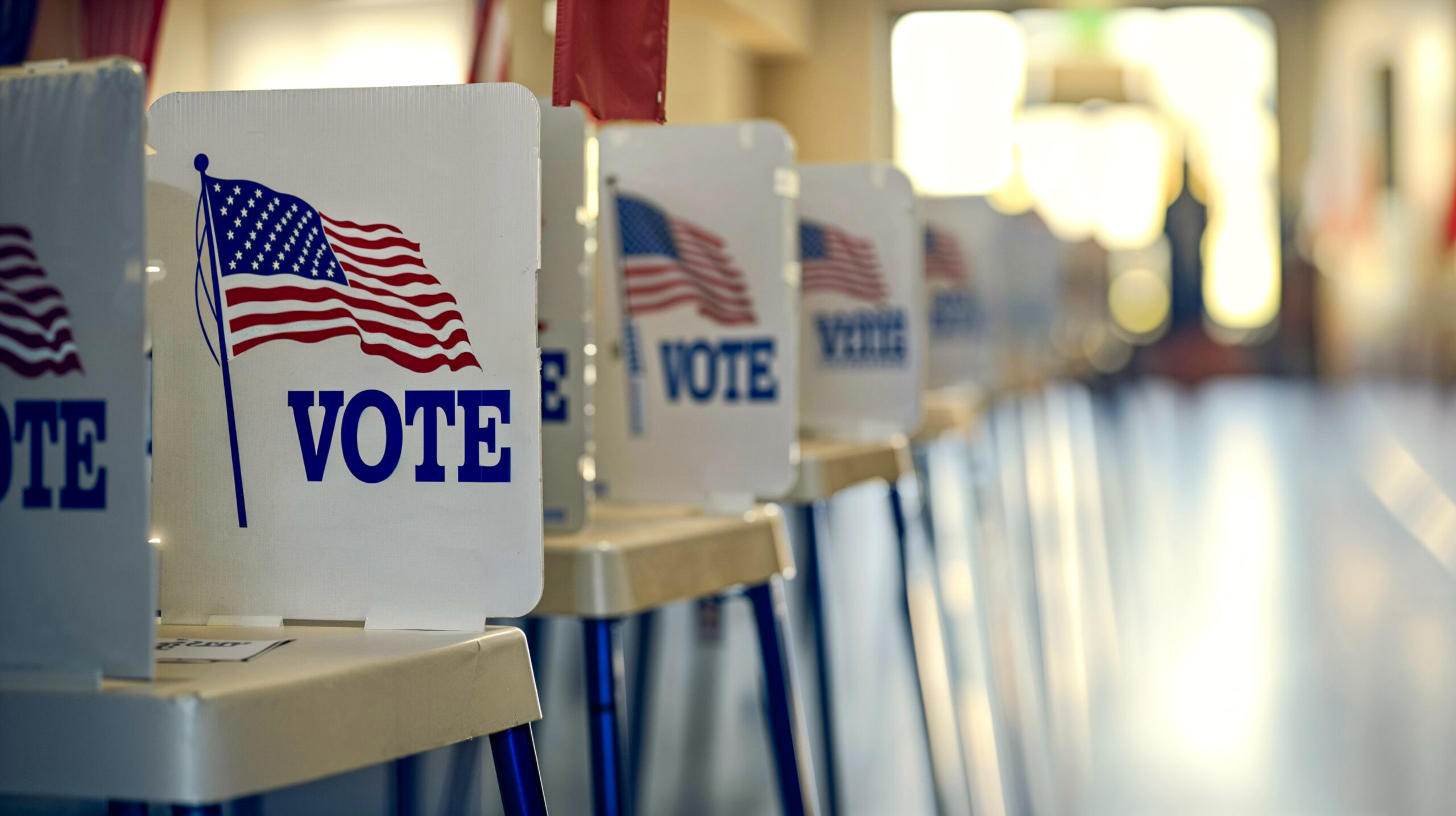
Virginia’s 2025 primary elections have set the stage for a historic and highly competitive general election in November. This election cycle is particularly historic: both major parties’ gubernatorial nominees are women, ensuring Virginia elects its first female governor. Abigail Spanberger, who secured her party’s nomination unopposed, is a former CIA officer and centrist congresswoman who has emphasized labor rights, paid family leave, and rural outreach as key themes for her campaign. On the Republican side, Winsome Earle‑Sears, a Marine Corps veteran and Virginia’s current lieutenant governor, represents a pro-business conservative alternative and could become the first Black woman to serve as governor in U.S. history.
In the race for attorney general, Democrat Jay Jones, a former state delegate and assistant attorney general, narrowly defeated Henrico County Commonwealth’s Attorney Shannon Taylor in a closely watched primary. Jones, who has emphasized his experience and commitment to challenging federal overreach, will face incumbent Republican Jason Miyares in the general election this fall.
The lieutenant governor race is also poised to be historic as Democrat Ghazala Hashmi, a state senator and former community college administrator, narrowly defeated former Richmond Mayor Levar Stoney in a six-way primary. If elected, Hashmi would become the first Muslim and Indian-American to hold statewide office in Virginia. She will face Republican John Reid, a conservative radio host and former communications director, who became the GOP nominee after his opponent withdrew from the race.
These developments mark a significant moment in Virginia’s political landscape, with both parties fielding diverse and accomplished candidates for the state’s top offices. As the general election approaches, all eyes will be on Virginia to see how these historic candidacies influence voter turnout and the broader political climate.
More Quick Info About Upcoming Elections in Virginia:
- Election Day in Virginia: Tuesday, November 4th. Early in-person voting begins on September 19th, and individuals can register to vote or update their existing registration online through October 14th. Learn more here.
- A Special Election will be held on September 9th for Virginia’s 11th District U.S. House seat. Early voting for this election will start on July 25th.
- To see where you should vote if you live in Virginia, click here.
Investing in What Works: Mayor Bowser on Building a Smarter, Stronger DC
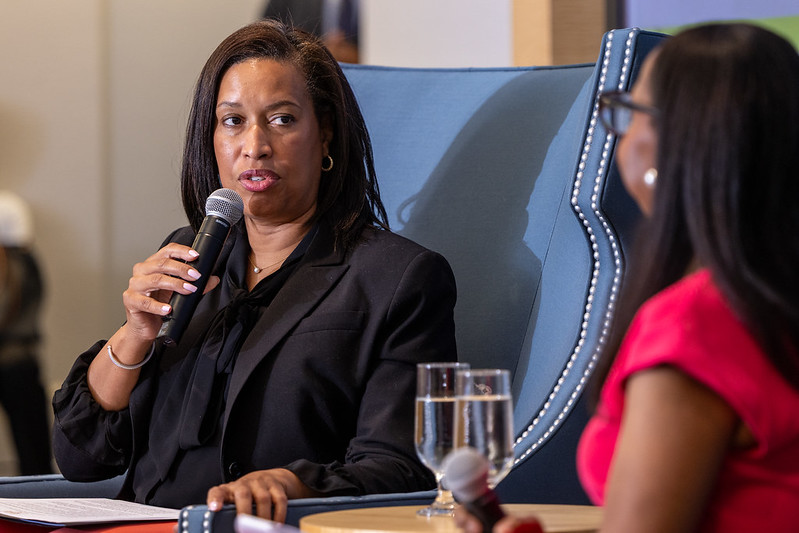
As Greater Washington navigates rapid economic change and shifting federal dynamics, the Greater Washington Board of Trade convened a timely and candid conversation with D.C. Mayor Muriel Bowser on June 12, 2025. The fireside chat, hosted in partnership with Holland & Knight LLP and moderated by Executive Partner Janene Jackson, brought together leaders across sectors to explore the District’s fiscal outlook, strategic investments, and long-term vision for inclusive growth.
Mayor Bowser addressed the District’s most pressing economic challenges, including a projected $1 billion revenue shortfall over the next four years, driven largely by anticipated federal workforce reductions. Despite this difficult terrain, she reaffirmed her commitment to a growth-oriented budget.
“We’re right-sizing our spending and growing our revenue, with no new taxes,” Mayor Bowser said. “We have to grow our economy, diversify our base, and help D.C. residents transition into new, high-quality jobs.”
Driving Strategic Investment Across the City
Throughout the conversation, Mayor Bowser outlined key priorities from her FY26 budget and Budget Support Act, emphasizing investments that modernize systems, expand opportunity, and maintain the District’s economic resilience:
- Tech Ecosystem Growth – A new Technology Ecosystem Fund and reviving parts of the Qualified High-Tech Company Incentive are designed to attract startups and scale-ups, leveraging the region’s tech talent and strengthening D.C.’s competitiveness as a center for innovation.
- Workforce Mobility – Investments in career and technical education, the DC Infrastructure Academy, and expanded procurement for local businesses aim to create upward mobility—particularly for residents in Wards 5, 7, and 8. Since 2015, the District’s spending with D.C.-based businesses has grown from $300 million to over $1.5 billion annually.
- Downtown Revitalization – The FY26 budget includes $17 million for public spaces, including the Gallery Square project and the revitalization of Farragut Square, McPherson Square, and Lafayette Park, part of a broader strategy to draw new investment, foot traffic, and vibrancy to downtown.
- Housing & Rental Reform – Mayor Bowser reaffirmed her commitment to affordable housing production while advocating for reforms to the Tenant Opportunity to Purchase Act (TOPA) and pandemic-era rental policies to stabilize D.C.’s housing ecosystem and re-attract capital investment.
- Public Safety & Infrastructure Modernization – New funding for 911 infrastructure (including a commitment to its updated and remodeled 2nd 911 Call Center), law enforcement drones, and asset lifecycle planning is part of a citywide push to modernize public services and ensure a safe, reliable foundation for growth.
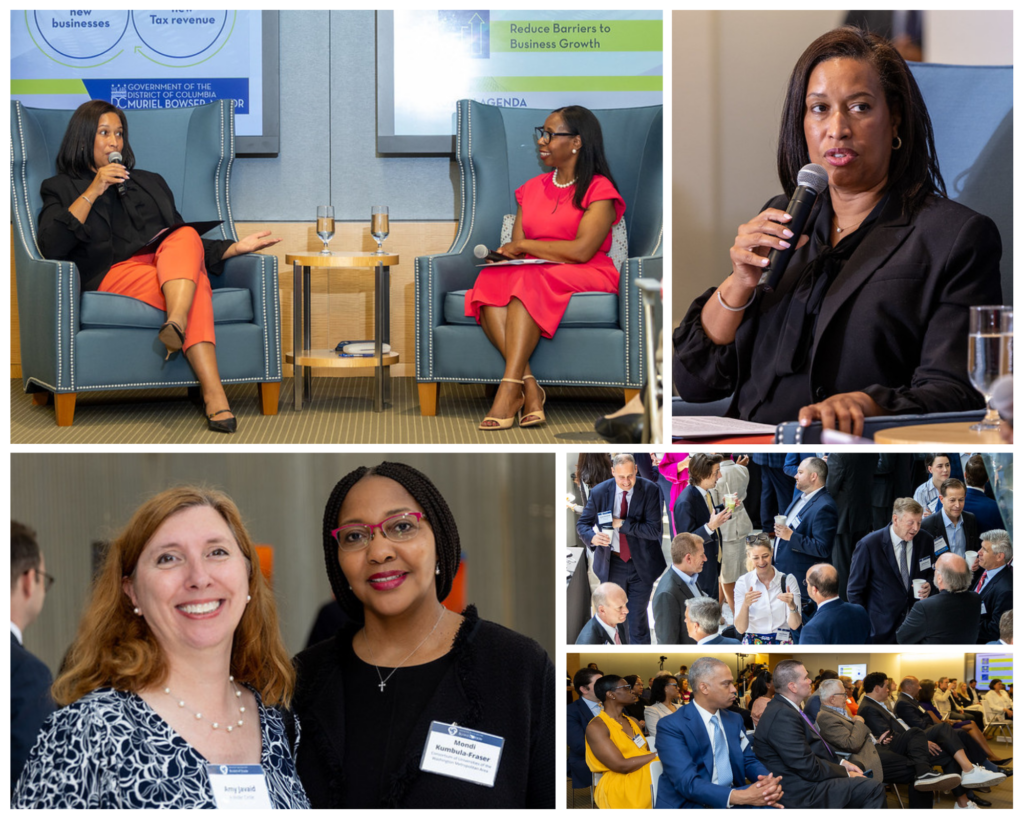
VIEW MORE PHOTOS FROM THIS EVENT
The Future of RFK and Federal Alignment
Mayor Bowser also offered a bold vision for the RFK Stadium site—a catalytic 180-acre redevelopment opportunity that would include a new stadium, mixed-use housing, recreation space, and an entertainment district along the Anacostia River.
“If it was just a stadium, we wouldn’t be as interested,” she noted. “This is about unlocking the full potential of the site—for our residents and for the future of the city.”
Turning to federal workforce and infrastructure policy, Mayor Bowser emphasized the importance of regional alignment and cross-jurisdictional collaboration. She called on public and private leaders to push for federal reinvestment and a renewed commitment to in-person work in the capital.
A Call to Action for the Business Community
The session concluded with a direct message to business and civic leaders: remain engaged, advocate for change, and help move the District’s growth agenda forward.
“Don’t bet against the District,” Mayor Bowser said. “But don’t sit on the sidelines either. If we’re still having this conversation next year and haven’t made progress—shame on us.”
This special session is part of the Board of Trade’s broader mission to shape a next-generation regional economy—one built on digital transformation, inclusive growth, and stronger public-private partnerships. We extend our deep thanks to Mayor Bowser for her continued leadership, and to Holland & Knight and Janene Jackson for making this powerful dialogue possible.
Watch the whole conversation between Mayor Bowser and the Board of Trade below: