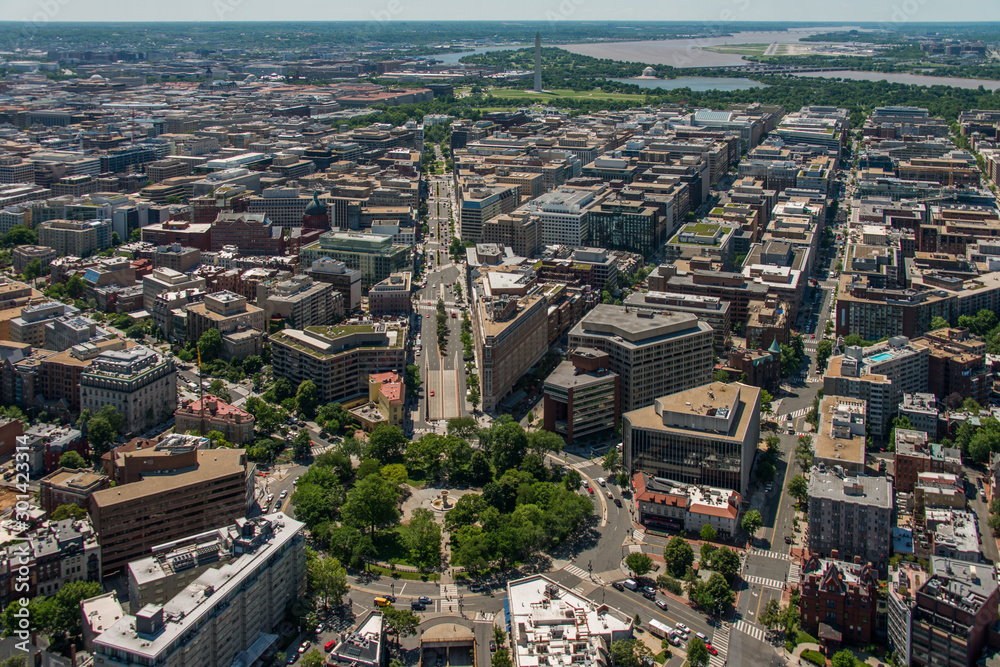
Greater Washington’s energy future hinges on balancing infrastructure growth with rising electricity demand | WBJ Viewpoint

Greater Washington’s energy future hinges on balancing infrastructure growth with rising electricity demand | WBJ Viewpoint

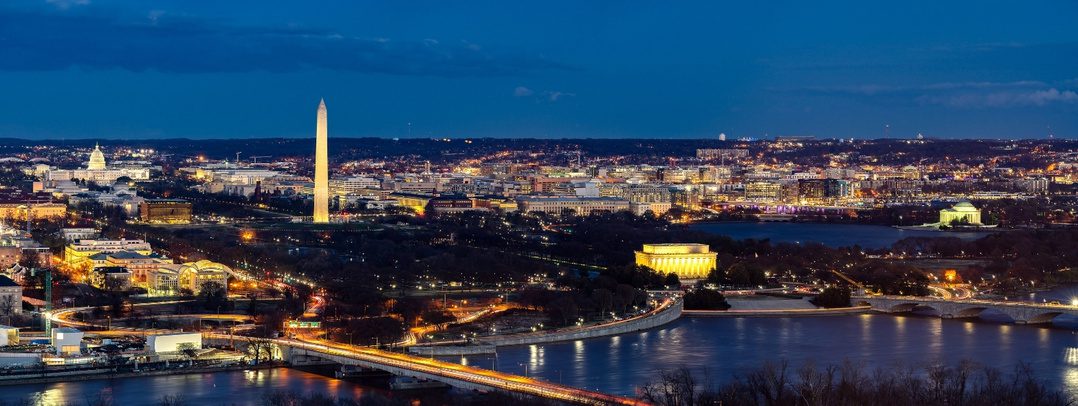
From tech talent and research strength to public purpose and inclusive growth, our Greater Washington region has the ingredients to lead as a global innovation powerhouse. But bold coordination is needed.

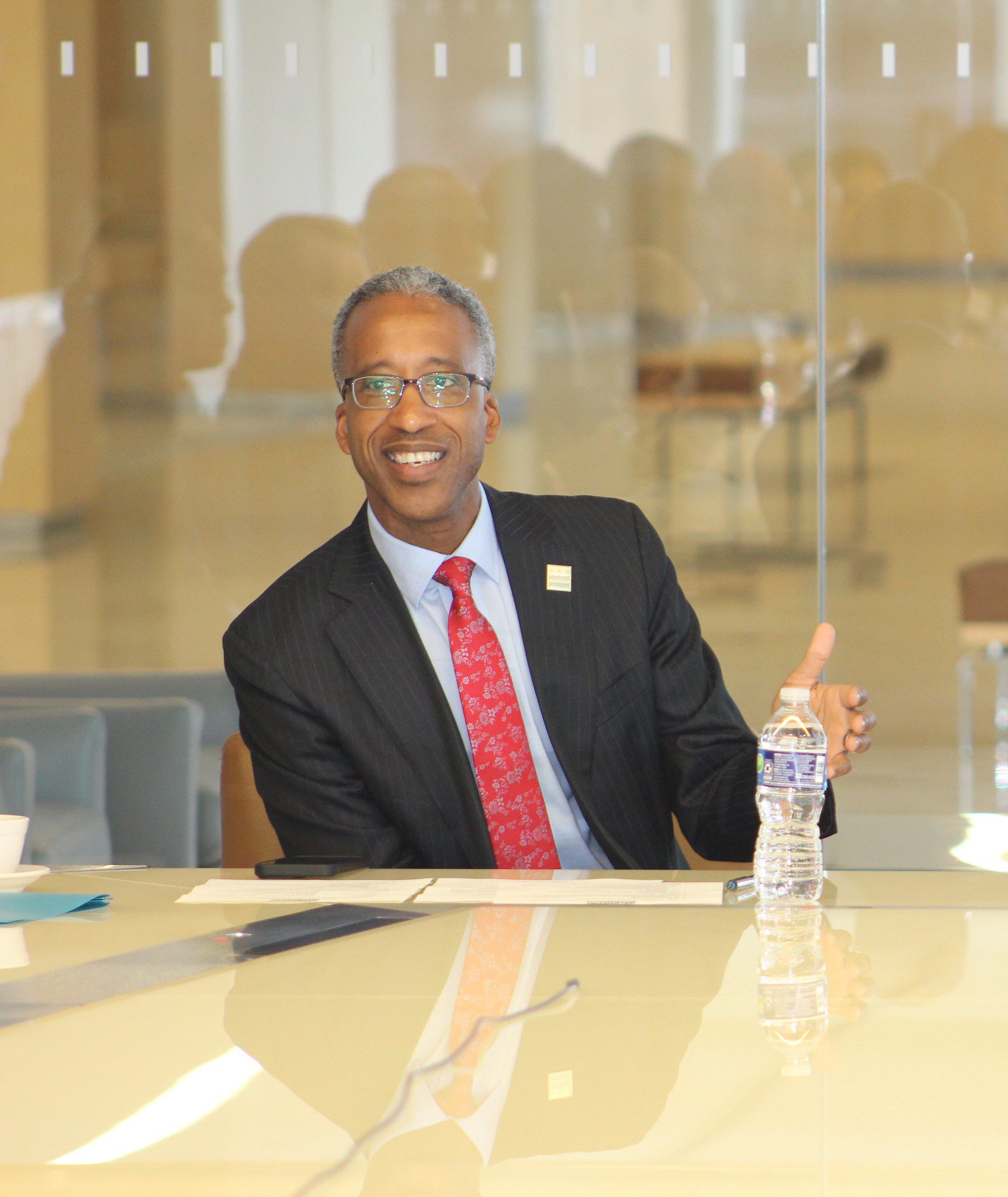
Our President & CEO, Jack McDougle, shares in his latest Washington Business Journal viewpoint, which focuses on energy, and that the choices we make now will determine whether our region powers a more affordable, resilient, innovative, and inclusive economy or faces rising costs, strained systems, and missed opportunities for growth.


READ THE FULL ARTICLE HERE

ABOUT THE BOARD OF TRADE

The Greater Washington Board of Trade, founded in 1889, is the region’s premier non-partisan business organization representing industry, nonprofits, universities, and government agencies. The Board of Trade addresses complex and always-evolving business concerns that stretch across the District of Columbia, suburban Maryland, and Northern Virginia, with a priority focus on inclusive economic growth, improving the business climate, and enhancing the region’s economic competitiveness.  

READ MORE POLICY ISSUES AND TOPICS THE BOARD OF TRADE IS FOLLOWING

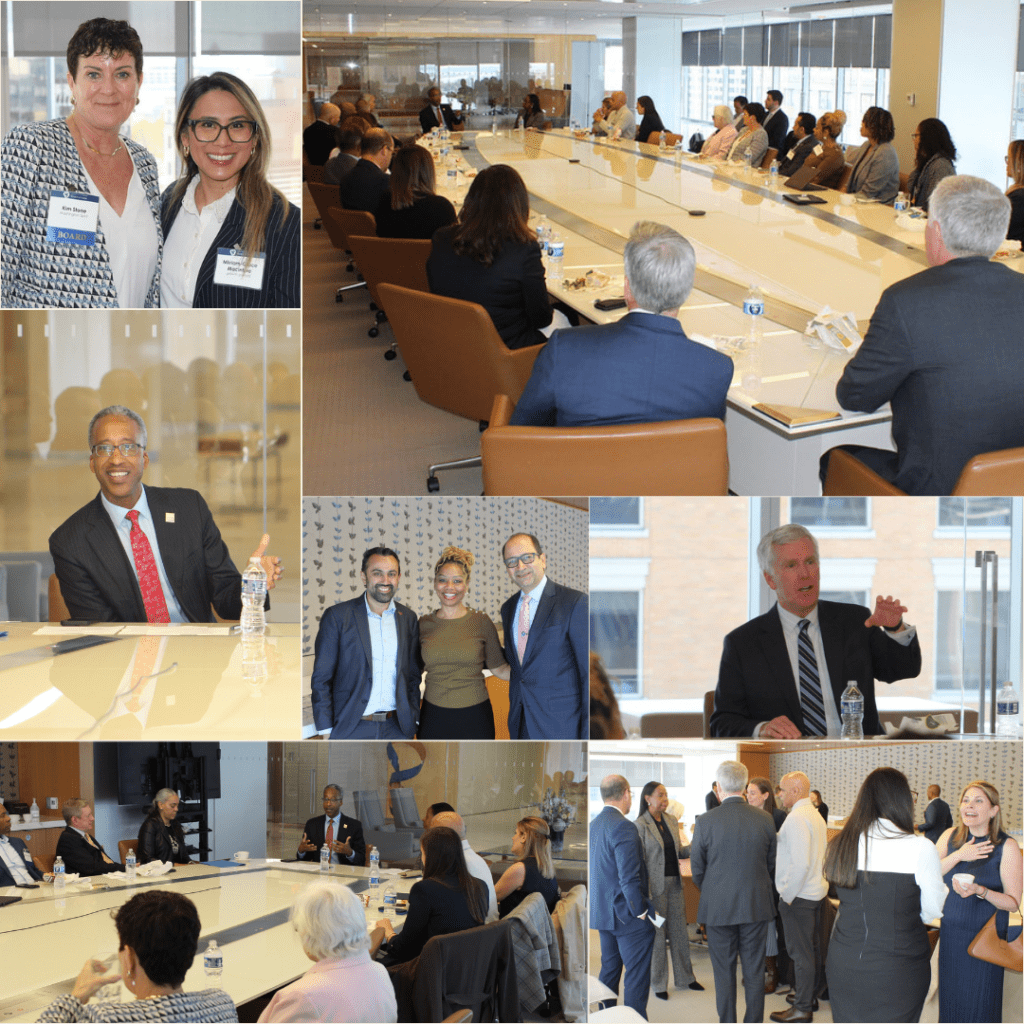
Voices from the Table: October Insights

When leaders across the Capital Region gather around a table, talk turns quickly from problems to progress. October’s conversations were about how to keep this region competitive and what it will take to move faster, smarter, and together. 

Why it matters 

The Capital Region has the assets to lead – world-class talent, location, and innovation capacity. But growth is uneven; infrastructure is aging; and coordination is hard. Leaders agreed: progress depends on connection – with each other, across sectors, jurisdictions, and priorities. 

What we heard 

Energy is a business issue now.
Leaders warned that the region’s energy and digital systems aren’t keeping pace with demand from data centers, EVs, and electrified transit. Reliability, modernization, and investment coordination will define competitiveness more than incentives alone. 

Mobility drives momentum.
With our region now the nation’s most congested metro, transportation has become the clearest constraint and opportunity. Executives called for bold P3 models, smarter design, and regional planning that moves people, goods, and ideas more efficiently. Connectivity isn’t just infrastructure; it’s economic oxygen. 

Purpose is part of performance.
Corporate–nonprofit partnerships are shifting. Companies are building trust through measurable, community-anchored impact aligning social investment with workforce stability, inclusion, and regional resilience. 

The big picture 

Across energy, transit, and social investment, the message was consistent: the Capital Region doesn’t need perfect regionalism; it needs practical alignment. Businesses can’t fix every policy challenge, but they can model collaboration, accountability, and long-term investment in the systems that sustain growth. 

Leaders know politics are tough and progress is incremental. But momentum builds when the right people stay at the table; aligning ambition with action, and vision with execution. 

Food for thought 

  • How do we modernize energy, transit, and digital systems fast enough to support growth sectors? 
  • What practical partnerships can turn fragmentation into a shared advantage? 
  • How can business leadership rebuild confidence that growth can be both competitive and inclusive? 

Bottom line: The Capital Region’s economy will grow when its leaders connect on purpose, with purpose. 

2025 Virginia Election Results and Insights

Here is a look at the 2025 Virginia election results following a historic Election Day in the Commonwealth, which will influence how the Greater Washington region’s business community engages with various opportunities and issues.

Virginia voters made history in the 2025 general election by electing Abigail Spanberger as the Commonwealth’s next governor, as she will be the first woman to hold the position in the state’s history. Spanberger, a former U.S. Representative, won the November 4 election against Republican nominee Winsome Earle-Sears by securing approximately 57 percent of the vote, with Earle-Sears receiving about 42 percent. Her inauguration will also mark the first time in the Commonwealth’s history that both the governor and lieutenant governor are women. 

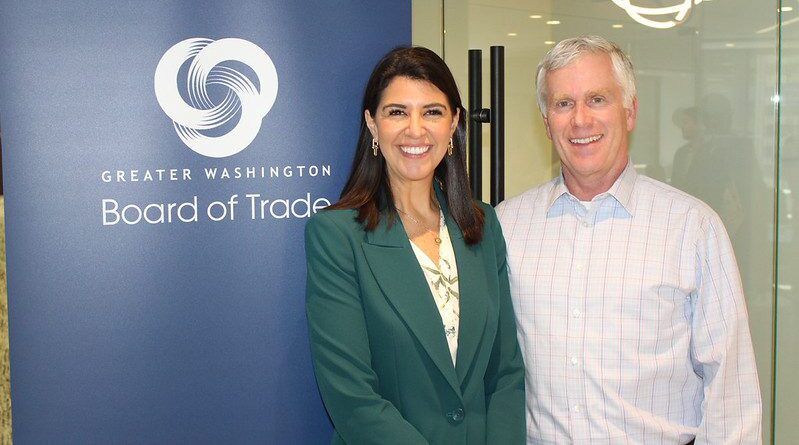
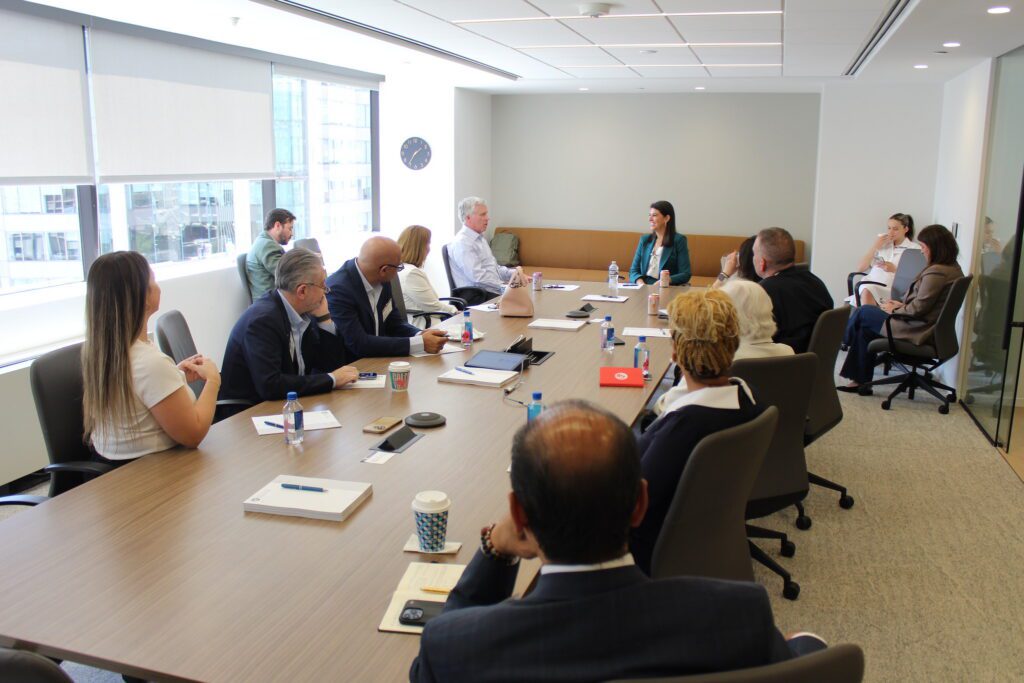
In January 2025, the Board of Trade hosted Abigail Spanberger (then a candidate for Virginia governor) at our downtown Washington, D.C. offices for a policy discussion with business leaders from the region. During that event, she shared her vision for Virginia as a destination for work, living, and innovation, highlighting critical issues such as workforce development, transportation, and housing. She emphasized the importance of public-private collaboration, noting that improving infrastructure, broadband access, and regional connectivity in Northern Virginia, the D.C. region, and surrounding areas requires a shared approach. Her remarks also highlighted how the Greater Washington region can capitalize on its proximity to federal institutions, its educated workforce, and its established business base to boost competitiveness. This conversation underscored our shared interests in workforce readiness, infrastructure, and inclusive growth. 

In addition to the governor’s race, voters selected a new lieutenant governor and attorney general, with democrats winning both contests, resulting in a unified Democratic administration. In the lieutenant governor and attorney general races, voters selected Ghazala Hashmi as lieutenant governor and Jay Jones as attorney general. Hashmi’s election marked a milestone as she became the first Muslim woman elected to statewide office in Virginia. Jay Jones prevailed over incumbent Jason Miyares, becoming the first African American attorney general in the history of Virginia.  

State officials have indicated that the formal certification of results will occur later in November, after which planning will begin for the inauguration ceremony in Richmond. The event, traditionally held on the second Saturday in January, will officially mark the start of the new four-year term. 

As the Board of Trade continues to engage with leaders across the region, we look forward to working constructively with the incoming administration in Virginia to deepen regional coordination, align policy and infrastructure priorities, and support the economic vitality of the Greater Washington region.  


Previous Election Guide Before Election

This 2025 Virginia Election Guide reflects the Board of Trade’s commitment to supporting a thriving Greater Washington, as we track statewide and local elections in Virginia to better understand how their outcomes may shape the business community.

The 2025 Virginia gubernatorial election is underway with Election Day set for November 4, and early in-person voting has already begun. Because Virginia governors are barred by state law from serving consecutive terms, the current governor, Glenn Youngkin, cannot run again. Therefore, two major candidates are Abigail Spanberger, a former U.S. Representative, and Winsome Earle-Sears, the current lieutenant governor. No matter who wins the general election, Virginia is set to elect a woman as governor for the first time this fall. 

For lieutenant governor, voters will decide between Democratic state Sen. Ghazala Hashmi and Republican John Reid. Additionally, Republican Attorney General Jason Miyares is seeking reelection and is facing Democratic challenger Jay Jones, an attorney and former state delegate. 

All 100 seats in the House of Delegates are on the ballot this year in Virginia. Democrats held a 51-49 majority heading into this year’s election. You can find your House district here and a list of candidates running for the House of Delegates listed here: Virginia Dept. of Elections: November 4, 2025 Gen Elect House of Del/ 

Most jurisdictions in Virginia have local races of some sort, whether they are contests for mayor, county board, school board, city council or sheriff. Check the full list of local races on the Virginia Department of Elections website to learn more. 

Key Dates Include:  

  • Friday, Oct. 24: Last day to register or update your address to vote a regular ballot for this election AND last day to request that a ballot be mailed to you. Click here to check your registration. 
  • Voters may register in person after this date, through Election Day, and vote using a provisional ballot 
  • Saturday, Oct. 25: Local voter registration offices open for in-person voting 
  • Saturday, Nov. 1: Last day to vote early in-person at your local voter registration office 
  • Tuesday, Nov. 4: Election Day. Vote at your polling place. Polls are open 6 a.m. to 7 p.m. 

More about the Greater Washington Board of Trade:

The Greater Washington Board of Trade, founded in 1889, is the region’s premier non-partisan business organization representing industry, nonprofits, universities, and government agencies. The Board of Trade addresses complex and always-evolving business concerns that stretch across the District of Columbia, suburban Maryland, and Northern Virginia, with a priority focus on inclusive economic growth, improving the business climate, and enhancing the region’s economic competitiveness. Learn more about the Board of Trade and its mission at www.boardoftrade.org. 

LEARN MORE ABOUT THIS SIGNATURE EVENT

This 2025 Virginia Elections Guide will continue to be updated as we get closer to November 4th and stay engaged with the Board of Trade after Election Day to learn more about policy implications. 

Testimony: Board of Trade supports DMVMoves Task Force recommendations to secure sustainable funding for regional transit

About this Testimony: 

Jack McDougle, President & CEO of the Board of Trade, speaking as Chair of the Community Partners Advisory Group, delivered strong support for the DMVMoves Task Force’s draft recommendations to secure sustainable funding and regional coordination for transit across the Greater Washington area. New capital funding would generate $460 million annually in dedicated, bondable capital for Metro beginning FY2028, addressing long-standing funding gaps to keep the system safe and modern. Furthering modernization and financial stability for Metro is important for growing our economy and workforce to meet the future needs of this region.

Video of Testimony: 

Written Testimony Submitted: 

DOWNLOAD HERE

October 30, 2025

Dear members of the DMVMoves Task Force, 

Thank you for your leadership and tremendous work that has gone into this process. I’d also like to thank my fellow advisory committee chair, Bryan Hill; the members of both advisory committees; and Clark Mercer and his team at COG, especially Kanti and Monica—for guiding this effort. And thank you as well to Nick Donohue for his thoughtful leadership, technical expertise, and steady facilitation. 

I want to recognize WMATA — General Manager Randy Clarke, his leadership team, and especially Tom Webster — for their responsiveness and for the significant progress they have delivered. Being named APTA’s Transit Agency of the Year reflects real improvement in safety, reliability, and customer experience. Without that progress, we would be having a very different conversation today. 

I’m Jack McDougle, President and CEO of the Greater Washington Board of Trade, and it’s been a privilege to chair the Community Partners Advisory Group. Our committee brought together business, labor, community advocates, and nonprofit leaders. We debated tough issues, and while we didn’t agree on every priority, we reached meaningful consensus around the need for integrated, reliable, and sustainably funded transit across the region. 

This effort is especially urgent as the federal government restructures and disruptive technologies accelerate. Our region must be able to compete for talent, investment, and innovation in a rapidly changing economy. 

If we can’t move people, we can’t move opportunity. That’s why the recommendations before you matter. They provide $460 million per year in new, bondable capital beginning in FY2028—growing three percent annually—to keep Metro safe, modern, and efficient. Securing durable, dedicated capital funding is something this region has struggled to achieve for decades, and reaching consensus on this framework is a milestone worth celebrating. 

The recommendations also set a path to align our 14 transit providers into a seamless regional network—fare policies, service guidelines, training, and priority investments. That’s how we move from a collection of systems to a coordinated platform that supports riders and drives economic growth. 

We’ve heard thoughtful feedback urging us to go further. Continued work on dedicated operating funding, stronger bus-priority implementation, accountability for delivery, workforce transition strategies, and regional studies of tools like congestion pricing and land value capture are all important next-phase conversations. Nothing in these recommendations precludes that work. In fact, they create the structure required to do it responsibly. 

But we must act now. The upcoming legislative sessions present a narrow window to secure long-term stability. If we allow the perfect to become the enemy of the good, we risk losing momentum, weakening public confidence, and slowing economic recovery. Not supporting these recommendations would take us a step backward and push us farther from the work many want to pursue next. 

From the business community’s perspective, this is about competitiveness and quality of life. Metro and our local transit systems support over $25 billion in annual economic activity, connect nearly a million daily trips, and underpin our ability to attract and retain talent and capital. Failing to act would cost far more—in congestion, lost productivity, and diminished trust in our region’s future. 

This plan is not the end of the journey; it is a beginning. We strongly support continuing a community advisory body as COG leads this next phase, with clear milestones, transparent reporting, and regional accountability. That is how we convert recommendations into results. 

Greater Washington has the assets, the talent, and the vision. Now we need the resolve. Let’s move forward together—because when our region moves, our economy moves, and our people thrive. 

Thank you, 

Jack McDougle 

President & CEO 

Greater Washington Board of Trade 

Board of Trade Addresses ‘Workplace of Tomorrow’ at GW Business & Policy Forum

The Board of Trade joined regional leaders and MBA students at George Washington University’s Business & Policy Forum on October 22 to explore how innovation and policy are shaping the workplace of tomorrow and the region’s economic future.

The George Washington University School of Business reconvened its third annual Business & Policy Forum, “The Future of Work is Now,” to explore the opportunities and implications the future of work holds for technology, organizations, employees, and policymakers. Additional topics ranged from adapting and thriving in the workplace of tomorrow to sustainability and social impact.

Our President & CEO, Jack McDougle, joined fellow panelists to discuss the future of workforce and technology, sharing insights on how our region can adapt, invest, and lead in a rapidly changing economy. Jack outlined the strengths of the Greater Washington region: a highly educated workforce, deep federal roots, and a vibrant entrepreneurial ecosystem that now ranks fifth nationally in venture capital investment. Yet, he warned that the same proximity to government that fuels stability can also breed risk aversion. For the region to fully leverage its advantages, both the public and private sectors must embrace a mindset of experimentation.

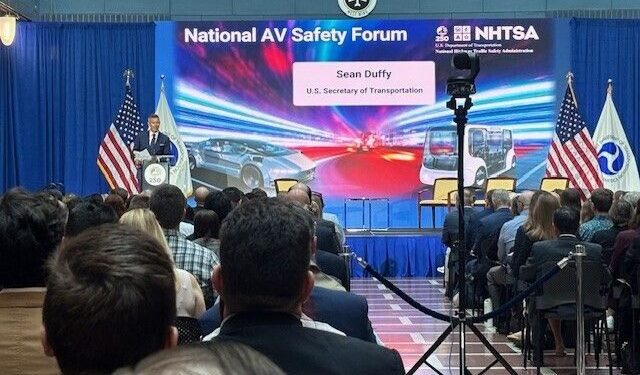
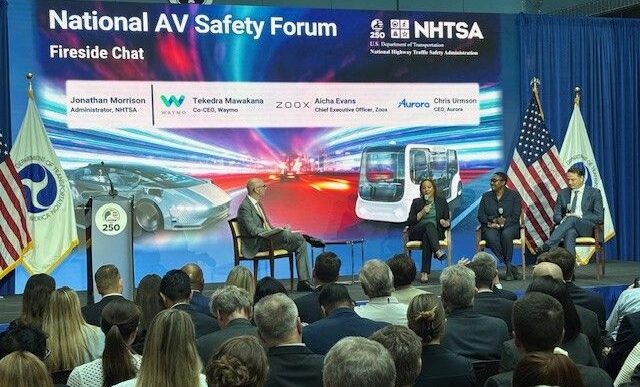
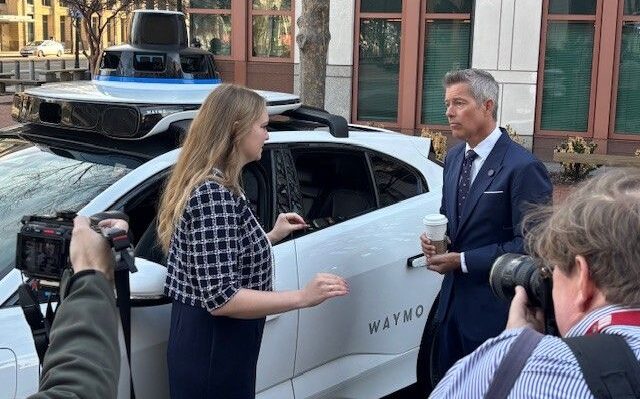
He pointed to Washington, D.C.’s delayed legislation on autonomous vehicles, noting how it has affected investment from Waymo and other innovators in the field—highlighting the region’s technical strength but cautious regulatory pace. “If we want to position ourselves as a global hub for innovation,” he said, “we need to demonstrate that we are willing to take on innovative technologies.”

The panel holistically closed with a reminder that, despite the promises of technology, progress depends on people’s willingness to adapt and challenge the status quo, underscoring the urgent need for cultural and institutional agility as the region prepares for the next wave of economic change. And that forward-thinking companies and organizations must be willing to experiment, collaborate, and rethink the traditional definition of workforce to best be equipped to thrive in the future.

We also heard from George Washington University President, Ellen Granberg, about how the university is helping grow opportunities and engage the community.

Forum attendees not only heard from several of the most influential figures in the future of work, but also enjoyed a premier networking opportunity to engage with key players, discover the innovations shifting business landscapes, and learn to adapt to changing work environments.

Thank you to The George Washington University and The George Washington University School of Business for helping grow Greater Washington! Events like this highlight the power of collaboration across business, government, and education to strengthen our region’s competitiveness and inclusive growth.

Learn more about where the Board of Trade is positioned on certain policy and legislation efforts in our region: https://bit.ly/4qu3Odh

Executive Leadership Roundtable Recap: What Regional Leaders Are Watching

When conditions feel wobbly underfoot, the horizon matters most. Near-term signals can shake; what counts is the broader trajectory—and how leaders adapt. To compare notes on shifting conditions in the region, senior executives met on October 17 at Akin Gump Strauss Hauer & Field’s Washington, D.C., office for a candid Executive Leadership Roundtable with Tom Barkin, President & CEO of the Federal Reserve Bank of Richmond. The value came from leaders comparing notes in real time, connecting front-line experience with broader economic context.

Several recurring trends emerged

People & Demand

Hiring remains muted but stable—a low-hire/low-fire posture with attrition doing most of the work. Candidate availability has improved across many roles, but skilled trades, childcare, and eldercare remain tight. On the demand side, consumers are choosier and value-seeking, trading down (e.g., private label; repair vs. replace), with meaningful variability by sector.

Productivity & Operating Models

To protect margins, many firms are leaning into process redesign, automation, and practical AI—especially in support workflows (documentation, collections, customer contact). In practice, these moves often substitute for incremental hiring while leaders monitor service quality and outcomes.

Systems & Infrastructure

Capital planning assumes multiple interest-rate paths rather than a single trajectory. Supply chains continue to localize (“local-for-local”) where feasible as trade policy evolves. Meanwhile, accelerating demand from AI/data centers is colliding with long lead times for generation and transmission—raising near-term questions about power readiness. In commercial real estate, office softness (particularly B/C space in large cores) contrasts with relative strength in industrial, logistics, and data-center assets; the DMV feels the office adjustment more acutely than many markets.

Why it matters

The throughline wasn’t a single indicator; it was operating adaptation. Old playbooks map poorly to today’s pace and complexity. What’s working now: diversified talent strategies, productivity investments (including practical AI), financial flexibility, and regional alignment on housing and transportation to keep our talent advantage.

What leaders are watching next

  • Labor fit: Will skills pipelines (training, credentials, migration) keep pace with role requirements?
  • Cost pass-through vs. productivity: Can process/tech gains continue to offset input costs without eroding service?
  • Grid readiness: How quickly can generation/transmission investments meet data-center demand without bottlenecks?

The Board of Trade will continue convening executive-level dialogues that surface timely insights and connect them to practical action for our region.

​​Thank you to the Federal Reserve Bank of Richmond and Akin Gump Strauss Hauer & Field for partnering on this vital discussion that engages our members and partners in the region.

Coffee & Conversation Recap: Confronting Hunger and Economic Insecurity in Greater Washington

October’s Coffee & Conversation featured leaders from the Capital Area Food Bank (CAFB), who shared key findings from their 2025 Hunger Report – a sobering look at how economic pressures, wage stagnation, and federal workforce transitions are shaping food insecurity across the region. 

According to CAFB’s research with NORC at the University of Chicago, 36% of households in the DMV are food insecure, a rate that has remained elevated for two consecutive years. County rates range from 22% in Arlington to 49% in Prince George’s County, underscoring how widespread and persistent this challenge has become. The report points to deepening strain on working families as inflation outpaces wages and pandemic-era support expires. 

“We see families borrowing against their futures to meet today’s basic needs,” said CAFB President & CEO Radha Muthiah. “People are skipping savings, taking on credit-card debt, and even withdrawing from retirement accounts just to put food on the table.” 

Many food-insecure households include employed adults – teachers, healthcare workers, and public servants – earning too little to meet the region’s $140,000 living-wage threshold for a family of four. The conversation highlighted that solving hunger isn’t simply about distributing more food – it’s about strengthening the systems that enable financial stability. 

CAFB leaders shared examples of innovative partnerships that bundle food assistance with healthcare and workforce training, including Food Is Medicine programs with area hospitals and grocery-card stipends for college students pursuing credentials in high-demand fields. These integrated approaches aim to improve both individual well-being and regional productivity. 

Board of Trade President & CEO Jack McDougle closed by underscoring the economic stakes: 

“Food insecurity isn’t just a social issue; it’s an economic one. If we want Greater Washington to reach its full potential, we need to connect more people to opportunity and stability.” 


What the Business Community Can Do 

The conversation turned to practical steps the private sector can take to help reverse these trends: 

  • Advocate and support efforts that protect access to nutrition and healthcare programs like SNAP and school meals, which help working families stay afloat. 
  • Promote “Food Is Medicine” partnerships by engaging with healthcare systems and nonprofits to strengthen community health and workforce resilience. 
  • Invest in upskilling and talent pathways—collaborate with colleges and training providers to recruit, mentor, and support individuals moving into living-wage careers. 

By working together across sectors, employers can help address the root causes of hunger while building a healthier, more productive regional economy. 

Read the full 2025 Hunger Report: Capital Area Food Bank Hunger Report 2025 

About Coffee & Conversation

Coffee & Conversation brings Board of Trade members together for interactive, member-led discussions on timely topics shaping Greater Washington. Each session features a concise expert briefing, open dialogue, and time for coffee and networking – offering valuable insights, peer exchange, and meaningful professional connections.

Visit boardoftrade.org/events for more programming.

​​Thank you to the Capital Area Food Bank for partnering on this vital discussion that engages our members and partners in the region.

Statement: Board of Trade Applauds Thoughtful Transportation Planning Board Action on I-495 Southbound Plan

About Statement:

The Board of Trade applauds the Transportation Planning Board’s decision this week to defer action on the I-495 Southside Express Lanes project — a step that reflects real progress toward a coordinated, forward-looking transportation strategy for our region.

Official Statement:

DOWNLOAD HERE

October 15, 2025

This week’s vote by the Metropolitan Washington Council of Governments’ Transportation Planning Board (TPB) to defer action on the I-495 Southside Express Lanes project reflects real progress and a responsible approach to one of our region’s most complex transportation challenges. We thank the TPB and its members for keeping the project moving forward by allowing additional time to refine details, address legitimate concerns, and strengthen collaboration across jurisdictions.

The express lanes proposal offers a critical piece of regional infrastructure that must be viewed in the context of the entire Capital Beltway, including the American Legion Bridge, to ensure we are building a cohesive system that advances sustainable growth, mobility, and environmental goals. Projects of this scale demand careful planning, meaningful public engagement, and coordination among Maryland, Virginia, and the District of Columbia to deliver real value for the people and businesses of Greater Washington.

At the same time, we must act with urgency. Our competitiveness depends on how quickly we modernize the infrastructure that connects our communities, employers, and talent. Deliberation should not become delay. This pause should be used productively to build consensus and align priorities so implementation can proceed efficiently once the path is clear.

The Board of Trade supports leaders across all jurisdictions working together with renewed focus, transparency, and speed. Our region’s success depends on a seamless, connected transportation network. We commend the TPB for its principled leadership and commitment to regional collaboration. Working together, we can turn this pause into momentum and advance a stronger, more holistic solution that moves people and goods safely, reliably, and competitively for decades to come.

More About The Board of Trade:

The Greater Washington Board of Trade, founded in 1889, is the region’s premier non-partisan business organization representing industry, nonprofits, universities, and government agencies. The Board of Trade addresses complex and always-evolving business concerns that stretch across the District of Columbia, suburban Maryland, and Northern Virginia, with a priority focus on inclusive economic growth, improving the business climate, and enhancing the region’s economic competitiveness. Learn more about the Board of Trade and its mission at www.boardoftrade.org.

GWBOT October 2025 Newsletter

The Board of Trade remains focused on advancing the priorities that matter most to Greater Washington. This October newsletter shows a variety of engagements we have had across Greater Washington with members and public officials, while also showcasing meaningful updates on priorities we are following in the region. We also have a variety of member news updates that showcase regional collaboration!

Read our October 2025 Newsletter here

Featured Members