Update: This proposed comprehensive framework bill for commercial autonomous vehicles in the state has been postponed for a second year. The Board of Trade will continue to support legislation that brings safe and logical next-generation mobility solutions to Greater Washington.
About this Letter of Support:
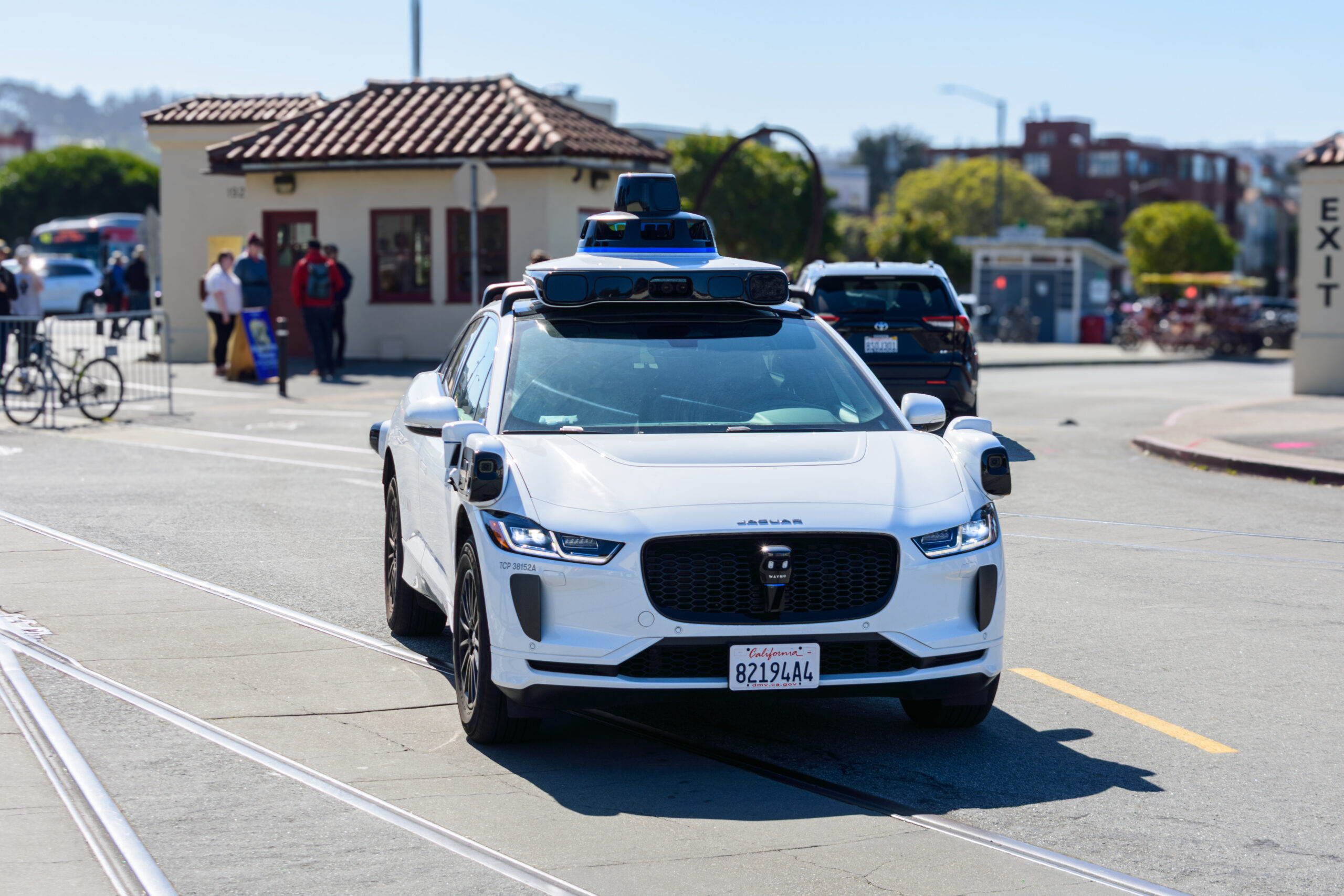
In its letter of support for SB670, the Greater Washington Board of Trade urges Virginia lawmakers to advance a clear regulatory framework for autonomous vehicles. The Board argues that the bill will help position Virginia as a leader in next-generation mobility by supporting innovation, economic growth, public safety, and long-term regional competitiveness.
I write to express our support for SB 670 as it comes before the House Transportation Subcommittee on Innovation.
Autonomous vehicle technology is no longer experimental. It is already operating in major U.S. markets, including Phoenix, San Francisco, Austin, and Las Vegas, under structured regulatory frameworks. States that provide clear, predictable rules are attracting investment, research partnerships, and high-skilled jobs in advanced mobility. Those that hesitate are watching that innovation and capital flow elsewhere.
Virginia is well positioned to lead. The Commonwealth’s strengths in artificial intelligence, cybersecurity, logistics, and advanced research make it a natural hub for
next-generation transportation systems. What is needed is regulatory clarity. SB 670 provides that framework while maintaining appropriate oversight and public safety.
Concerns about safety and workforce impacts deserve serious consideration, but they are best addressed through thoughtful policy, not delay. Properly regulated autonomous systems have the potential to improve safety, enhance traffic flow, and increase efficiency. AV deployment will also create new opportunities in fleet operations, software engineering, systems maintenance, and infrastructure modernization. The question isnot whether this technology will advance, but where the economic benefits will accrue.
As our region works to diversify beyond federal reliance and build a stronger digital-era economy, transportation innovation is directly tied to competitiveness. SB 670 signals that Virginia intends to shape the future of mobility rather than react to it.
We appreciate your leadership and thoughtful consideration of this measure and stand ready to serve as a resource as it moves forward.
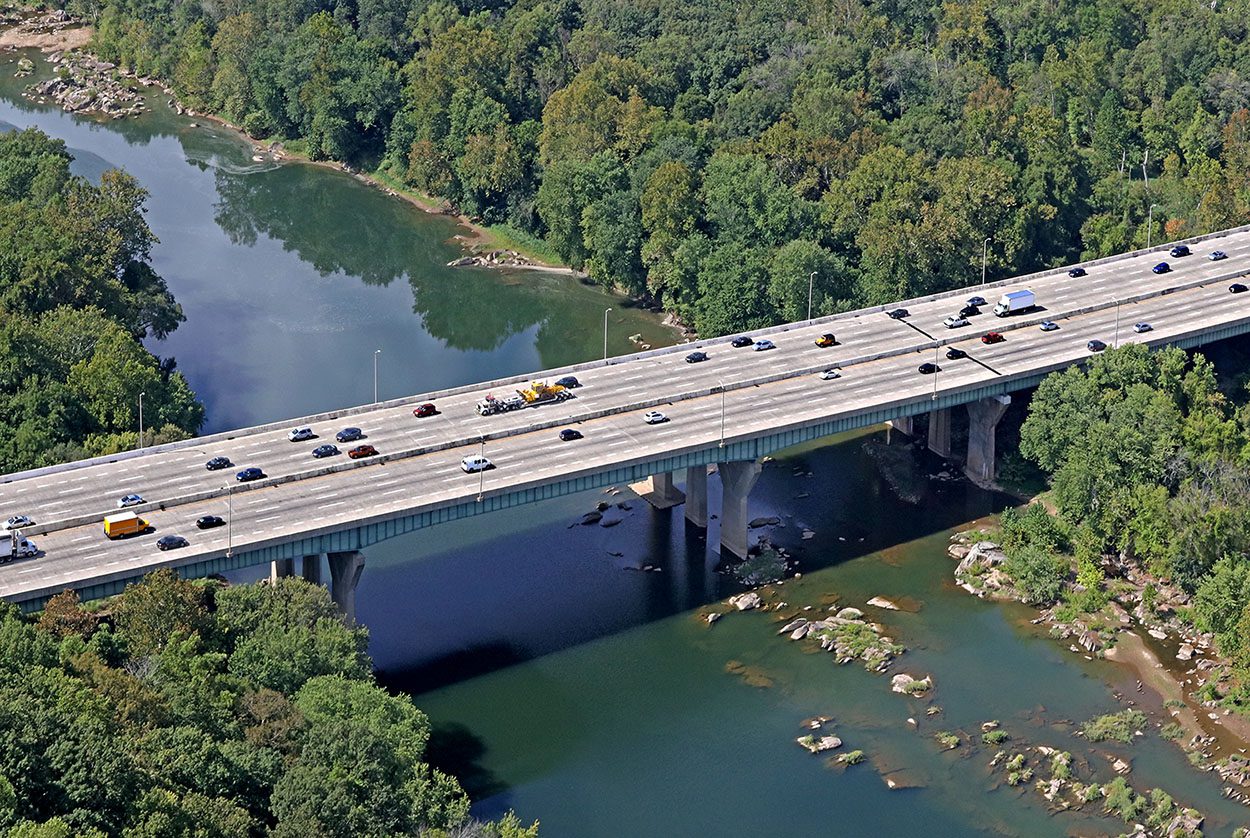
The American Legion Memorial Bridge has been in use since 1962 and is in need of major updates to accommodate our growing region.
About This Advocacy Effort:
Expediting Delivery of the American Legion Memorial Bridge is a must for Greater Washington to thrive. Below is part of the Board of Trade’s response to the Federal Highway Administration’s Request for Information on accelerating delivery of the American Legion Memorial Bridge replacement and the I-495/I-270 managed lanes corridor. It outlines why the bridge is a linchpin for regional mobility and economic competitiveness—and recommends a unified, multimodal corridor approach that pairs transit integration and modern technology with a Public-Private Partnership (DBFOM) delivery model to reduce risk, attract investment, and move faster. It also highlights key barriers (funding, cross-jurisdiction complexity, regulatory uncertainty), strategies to expedite construction, and the economic cost of delay for commuters, employers, and freight movement. Read the executive summary below or download our full response.
The Greater Washington Board of Trade (the Board of Trade) is the region’s premier nonpartisan business organization. For more than 135 years, we have represented all industry sectors across the District of Columbia, suburban Maryland, and Northern Virginia, serving as a primary convener to advance business competitiveness, inclusive growth, and regional livability.
Greater Washington is undergoing a profound economic transformation. The region’s historic reliance on the federal government is shifting toward a more diversified economy driven by artificial intelligence, biotechnology, cybersecurity, and other advanced industries. To remain globally competitive and to sustain the federal government’s own economic and national security interests our shared infrastructure must evolve.
Investing in the American Legion Memorial Bridge (ALMB) is therefore a strategic imperative for both Maryland and the federal government. As the bridge approaches the end of its useful life in 2028, it represents not only a critical transportation asset, but one of the most important federal–state infrastructure partnership opportunities in the nation.
While Greater Washington is now the most congested region in the United States, with daily gridlock costing billions in lost productivity, the central issue is not simply congestion. Mobility is now a core economic and national competitiveness function. The efficiency with which people and goods move determines whether the region can support federal missions, attract private investment, expand workforce participation, spur innovation, and sustain long-term growth.
We Cannot Compete Through Congestion
Greater Washington’s roadway system is fundamentally constrained. Unlike most major metropolitan regions, which benefit from inner and outer beltways, the Capital Region relies on a single overburdened loop to serve both local and national travel demand. Every chokepoint now carries national economic consequences.
Relying solely on traditional public funding for multibillion-dollar infrastructure investments is neither feasible nor equitable. Competing with global hubs such as London, Toronto, and Houston requires demonstrating a willingness at both the state and federal levels to invest now, responsibly and creatively, in the systems that underpin long-term competitiveness.
A Unified, Multimodal Corridor Strategy
The solution is not piecemeal projects, but a unified, multimodal corridor strategy for the I-270 and I-495 system. Given limited physical space and a single Capital Beltway, the objective must be to maximize throughput.
This requires integrating highways, transit, and technologies where rail, bus, and roadways operate as a single ecosystem. Only through this level of integration can the region meaningfully reduce congestion, improve reliability, and support long-term economic growth.
In 2019, the Board of Trade and the Greater Washington Partnership convened the Capital Regional Transportation Forum, leading to the Capital Beltway Accord, a joint Maryland–Virginia commitment to address the ALMB bottleneck and pursue a coordinated corridor strategy.
The replacement and modernization of the American Legion Memorial Bridge is the linchpin of this system and a cornerstone of North–South regional connectivity. The South Side Project is equally critical, unlocking the eastern and southern Beltway, improving freight movement, expanding access to jobs and housing, and strengthening trip reliability across the metropolitan area.
Leveraging P3s and Federal Investment
These projects are too critical and too large to be delivered through state level public funding alone. Public-Private Partnerships (P3s), supported by strong federal investment, should serve as a core delivery mechanism for the corridor.
P3s enable faster project delivery, introduce private-sector innovation, transfer risk, and unlock substantial private capital while positioning Maryland to maximize federal investment and meet USDOT’s expectations for performance, cost discipline, and schedule certainty.
We recommend a Public-Private Partnership using a Design-Build-Finance-Operate-Maintain (DBFOM) revenue-risk model to align federal priorities, state leadership, and private capital around long-term performance, accountability, and regional impact. This approach not only adds capacity to the corridor, but it introduces demand management in the form of dynamically priced express lanes, which offer reliable travel times for drivers when they need it and are willing to pay for it. This travel time reliability is also enjoyed by transit riders, as transit vehicles will use the express lanes at no cost.
By advancing a unified federal–state strategy that leverages private investment and modern delivery models, Maryland and the federal government can transform the region’s transportation system from a structural constraint into a national competitive asset.
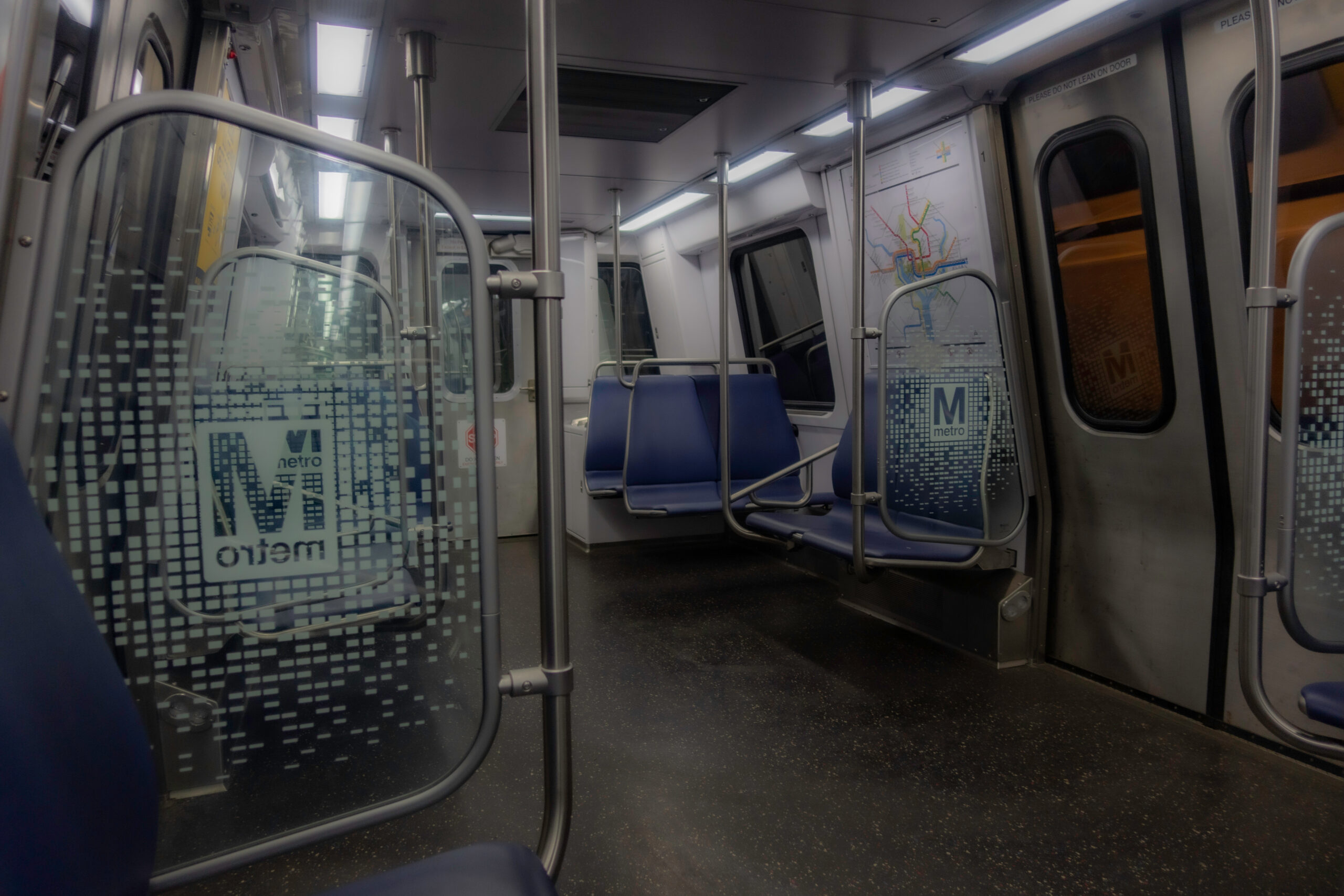
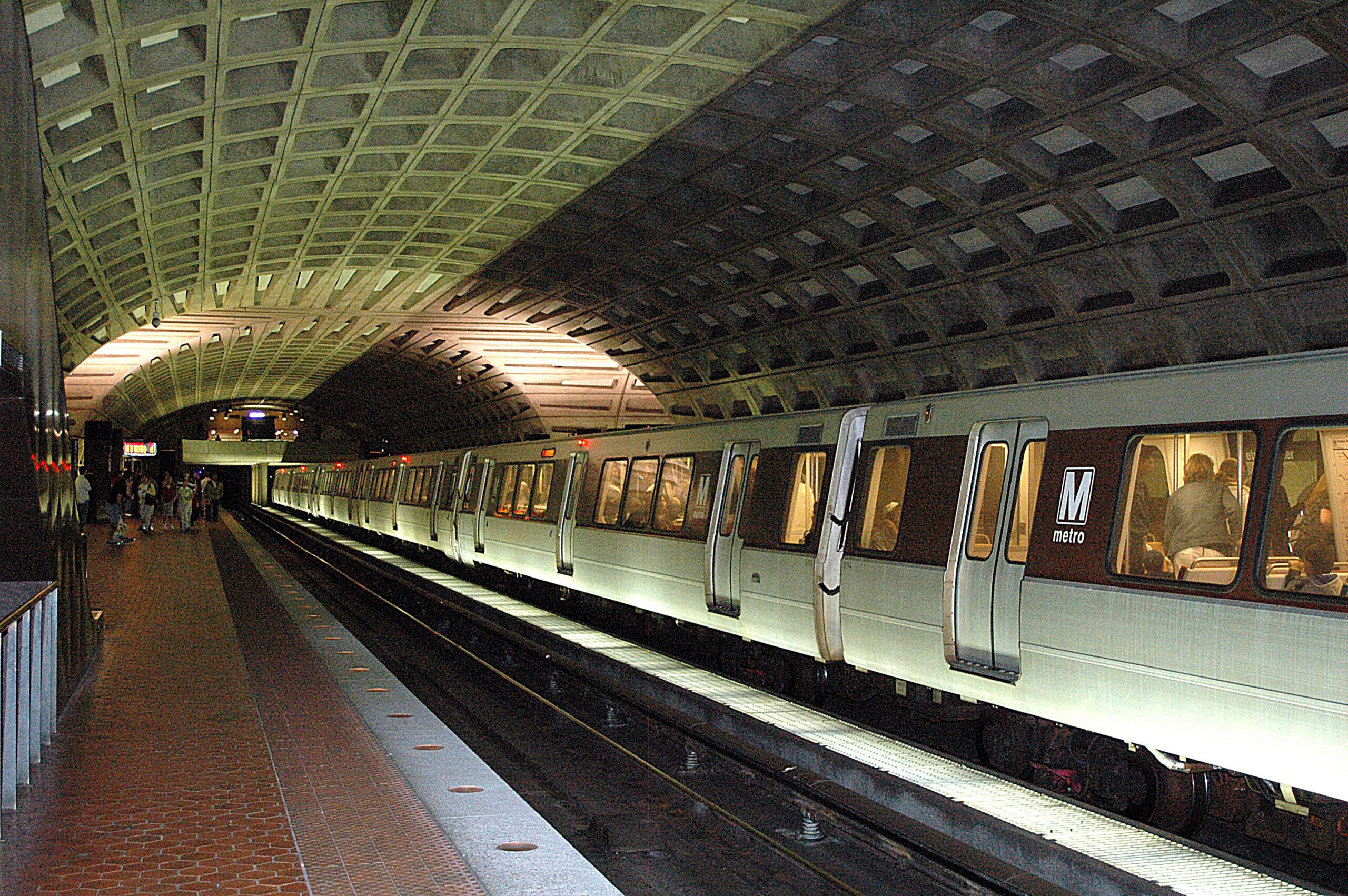
This written testimony was submitted by Greater Washington Board of Trade President & CEO Jack McDougle in support of Maryland Senate Bill 0281 and House Bill 0386, collectively known as the Metro Funding Modification Act of 2026. The testimony outlines why strengthening regional coordination, funding predictability, and accountability is essential to sustaining a safe, reliable, and modern Metro system—one that underpins economic competitiveness, workforce access, and quality of life across Greater Washington. It highlights Metro’s ongoing capital needs, the economic benefits to Maryland, and the shared responsibility required among Maryland, Virginia, and the District of Columbia to ensure long-term system performance and stability.
My name is Jack McDougle, and I am President and CEO of the Greater Washington Board of Trade. Founded in 1889, the Board of Trade is the region’s leading business organization, bringing together employers, civic leaders, and other key stakeholders to advance inclusive economic growth and regional competitiveness.
We are in strong support of SB0281 / HB0386, the Metro Funding Modification Act of 2026, and we commend Maryland’s continued leadership in sustaining a safe, reliable, and regionally coordinated Metro system. This legislation is an important step in ensuring that our region’s core transit infrastructure remains a competitive asset that supports economic growth, workforce access, and long-term fiscal sustainability.
Greater Washington remains one of the most congested regions in the country, a challenge intensified by the transformation of the federal government and the rise of disruptive technologies. These forces are reshaping where and how people work, redefining talent markets, and increasing the urgency of investing in modern, high-performing transit. Mobility is no longer simply a transportation issue; it is a fundamental economic and quality-of-life imperative. The cost of inaction is steep: congestion drains billions in productivity, constrains business growth, and weakens our ability to compete for talent and investment.
The Board of Trade supports the approach taken in this legislation to strengthen predictability, accountability, and regional coordination in the funding of the Washington Metropolitan Area Transit Authority. The bill appropriately reinforces shared responsibility by conditioning Maryland’s investment on comparable commitments from regional partners, while improving how capital grant amounts are calculated and incorporated into the State budget. These provisions reflect the reality that Metro is a regional system whose long-term success depends on coordinated action across Maryland, Virginia, and the District of Columbia.
Over the past 18 months, the Board of Trade actively participated in the DMV Moves regional process, working alongside business leaders, labor, and public-interest organizations to develop consensus recommendations on Metro’s long-term capital funding and accountability framework. Those discussions reinforced a clear conclusion: sustained, dedicated capital funding paired with strong oversight is essential to maintaining safety, state of good repair, and system modernization, especially signaling and automated train operations (ATO).
Metro’s capital needs are substantial and ongoing. Funding certainty enables long-term planning, efficient project delivery, and continued progress on railcar procurement, bus garage reconstruction, escalator and station reinvestments, railyard upgrades, and other systemwide improvements. At the same time, employers and taxpayers rightly expect transparency and measurable performance which are goals this legislation advances.
From an economic standpoint, Metro is a critical engine for Maryland. Thousands of Metro employees live in the state, and the capital program supports jobs, small and disadvantaged businesses, and economic activity throughout Maryland. Reliable transit expands access to employment, reduces congestion on state roadways, and underpins the competitiveness of the Greater Washington economy.
As policymakers consider broader revenue and funding questions, we encourage evaluating options through a regional competitiveness lens. Funding mechanisms should be assessed for their impacts on job creation, business location decisions, and the long-term strength of the tax base that ultimately supports transit investment. Approaches that inadvertently discourage high-growth sectors or reduce the region’s attractiveness for investment risk undermining the economic benefits that improved transit is intended to deliver.
The Metro Funding Modification Act of 2026 represents a balanced, forward-looking approach that reinforces accountability, strengthens regional partnership, and provides the stability Metro needs to continue improving safety, reliability, and performance.
For these reasons, the Greater Washington Board of Trade respectfully urges the Committee to issue a favorable report on SB0281 / HB0386.
Statement from the Board of Trade regarding Mayor Muriel Bowser’s announcement:
The Greater Washington Board of Trade deeply appreciates Mayor Muriel Bowser for her years of dedicated public service and leadership. Over three terms, she guided the District through some of the most consequential periods in its modern history — including a global pandemic, a shifting federal landscape, and a period of profound economic and social change.
Mayor Bowser has been a steadfast partner in advancing Greater Washington’s competitiveness, from strengthening small businesses and supporting innovation to investing in infrastructure, sports, education, housing, and community priorities. Her contributions have positioned D.C. and the region for continued growth and opportunity.
As the District enters a new chapter, the Board of Trade remains committed to working collaboratively with the Mayor, the Council, regional leaders, and the business community to ensure stability, accelerate revitalization, and build a thriving future for all who live and work here.
See more from our conversation with Mayor Bowser from this past July:
This testimony outlines the Greater Washington Board of Trade’s support for strengthening long-term, coordinated Metro funding and advancing policy solutions that protect the region’s mobility, workforce access, and economic competitiveness. It emphasizes the importance of timely action across Maryland, Virginia, and D.C. to ensure WMATA remains safe, reliable, and financially sustainable for the businesses, workers, and communities that depend on it.
My name is Jack McDougle, President and CEO of the Greater Washington Board of Trade.
Greater Washington remains one of the most congested regions in the country—a challenge amplified by the transformation of the federal government and the rise of disruptive technologies. These forces are reshaping our economy and communities and accelerating the need for a transit system built for a digital, fast-moving world.
If we don’t respond proactively, congestion, inequities, and economic fragmentation will only deepen. And while all jurisdictions face challenges and competing priorities, we must invest boldly in transit to stay competitive, attract talent and capital, and drive inclusive growth.
The cost of inaction is steep. Gridlock drains billions in productivity, constrains business expansion, and weakens the region’s ability to compete for innovation and investment.
For the past 18 months, I chaired the Community Stakeholders Advisory Committee for DMVMoves, which brought together business, labor, and public-interest organizations across D.C., Maryland, and Virginia. The initiative produced two key recommendations as Randy Clarke discussed earlier:
A regionwide commitment to $460 million in annual, dedicated, bondable capital funding for Metro beginning in FY 2028.
A regional bus strategy aligning service standards, fares, and corridor planning across agencies. Together, these form the backbone of a modern transit strategy that drives economic growth and regional connectivity. If we fail to act, we risk missing a once-in-a-generation opportunity to create a more connected, competitive, and equitable future for Greater Washington. Where transit is strong, economic vitality follows.
Together, these form the backbone of a modern transit strategy that drives economic growth and regional connectivity. If we fail to act, we risk missing a once-in-a-generation opportunity to create a more connected, competitive, and equitable future for Greater Washington.
Where transit is strong, economic vitality follows.
Jack McDougle, President & CEO of the Board of Trade, speaking as Chair of the Community Partners Advisory Group, delivered strong support for the DMVMoves Task Force’s draft recommendations to secure sustainable funding and regional coordination for transit across the Greater Washington area. New capital funding would generate $460 million annually in dedicated, bondable capital for Metro beginning FY2028, addressing long-standing funding gaps to keep the system safe and modern. Furthering modernization and financial stability for Metro is important for growing our economy and workforce to meet the future needs of this region.
Thank you for your leadership and tremendous work that has gone into this process. I’d also like to thank my fellow advisory committee chair, Bryan Hill; the members of both advisory committees; and Clark Mercer and his team at COG, especially Kanti and Monica—for guiding this effort. And thank you as well to Nick Donohue for his thoughtful leadership, technical expertise, and steady facilitation.
I want to recognize WMATA — General Manager Randy Clarke, his leadership team, and especially Tom Webster — for their responsiveness and for the significant progress they have delivered. Being named APTA’s Transit Agency of the Year reflects real improvement in safety, reliability, and customer experience. Without that progress, we would be having a very different conversation today.
I’m Jack McDougle, President and CEO of the Greater Washington Board of Trade, and it’s been a privilege to chair the Community Partners Advisory Group. Our committee brought together business, labor, community advocates, and nonprofit leaders. We debated tough issues, and while we didn’t agree on every priority, we reached meaningful consensus around the need for integrated, reliable, and sustainably funded transit across the region.
This effort is especially urgent as the federal government restructures and disruptive technologies accelerate. Our region must be able to compete for talent, investment, and innovation in a rapidly changing economy.
If we can’t move people, we can’t move opportunity. That’s why the recommendations before you matter. They provide $460 million per year in new, bondable capital beginning in FY2028—growing three percent annually—to keep Metro safe, modern, and efficient. Securing durable, dedicated capital funding is something this region has struggled to achieve for decades, and reaching consensus on this framework is a milestone worth celebrating.
The recommendations also set a path to align our 14 transit providers into a seamless regional network—fare policies, service guidelines, training, and priority investments. That’s how we move from a collection of systems to a coordinated platform that supports riders and drives economic growth.
We’ve heard thoughtful feedback urging us to go further. Continued work on dedicated operating funding, stronger bus-priority implementation, accountability for delivery, workforce transition strategies, and regional studies of tools like congestion pricing and land value capture are all important next-phase conversations. Nothing in these recommendations precludes that work. In fact, they create the structure required to do it responsibly.
But we must act now. The upcoming legislative sessions present a narrow window to secure long-term stability. If we allow the perfect to become the enemy of the good, we risk losing momentum, weakening public confidence, and slowing economic recovery. Not supporting these recommendations would take us a step backward and push us farther from the work many want to pursue next.
From the business community’s perspective, this is about competitiveness and quality of life. Metro and our local transit systems support over $25 billion in annual economic activity, connect nearly a million daily trips, and underpin our ability to attract and retain talent and capital. Failing to act would cost far more—in congestion, lost productivity, and diminished trust in our region’s future.
This plan is not the end of the journey; it is a beginning. We strongly support continuing a community advisory body as COG leads this next phase, with clear milestones, transparent reporting, and regional accountability. That is how we convert recommendations into results.
Greater Washington has the assets, the talent, and the vision. Now we need the resolve. Let’s move forward together—because when our region moves, our economy moves, and our people thrive.
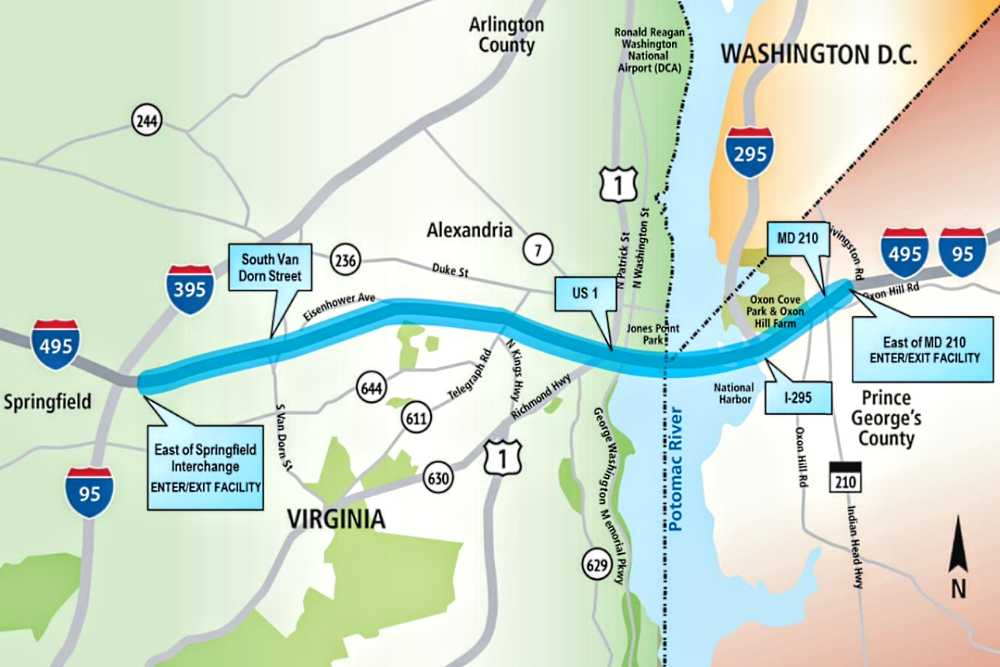
The Board of Trade applauds the Transportation Planning Board’s decision this week to defer action on the I-495 Southside Express Lanes project — a step that reflects real progress toward a coordinated, forward-looking transportation strategy for our region.
This week’s vote by the Metropolitan Washington Council of Governments’ Transportation Planning Board (TPB) to defer action on the I-495 Southside Express Lanes project reflects real progress and a responsible approach to one of our region’s most complex transportation challenges. We thank the TPB and its members for keeping the project moving forward by allowing additional time to refine details, address legitimate concerns, and strengthen collaboration across jurisdictions.
The express lanes proposal offers a critical piece of regional infrastructure that must be viewed in the context of the entire Capital Beltway, including the American Legion Bridge, to ensure we are building a cohesive system that advances sustainable growth, mobility, and environmental goals. Projects of this scale demand careful planning, meaningful public engagement, and coordination among Maryland, Virginia, and the District of Columbia to deliver real value for the people and businesses of Greater Washington.
At the same time, we must act with urgency. Our competitiveness depends on how quickly we modernize the infrastructure that connects our communities, employers, and talent. Deliberation should not become delay. This pause should be used productively to build consensus and align priorities so implementation can proceed efficiently once the path is clear.
The Board of Trade supports leaders across all jurisdictions working together with renewed focus, transparency, and speed. Our region’s success depends on a seamless, connected transportation network. We commend the TPB for its principled leadership and commitment to regional collaboration. Working together, we can turn this pause into momentum and advance a stronger, more holistic solution that moves people and goods safely, reliably, and competitively for decades to come.
More About The Board of Trade:
The Greater Washington Board of Trade, founded in 1889, is the region’s premier non-partisan business organization representing industry, nonprofits, universities, and government agencies. The Board of Trade addresses complex and always-evolving business concerns that stretch across the District of Columbia, suburban Maryland, and Northern Virginia, with a priority focus on inclusive economic growth, improving the business climate, and enhancing the region’s economic competitiveness. Learn more about the Board of Trade and its mission at www.boardoftrade.org.
Below is a statement from our President & CEO, Jack McDougle, on the potential federal government shutdown. The shutdown would significantly impact families, communities, and businesses in the Greater Washington region.
Statement:
“A federal government shutdown would be damaging, especially now. It would hit contractors, small businesses, and service providers first and ripple through paychecks and operations across hospitality, public safety, healthcare, transportation, research, housing, and retail, undercutting confidence and slowing the region’s momentum at a critical time.
The federal enterprise must modernize to compete in a changing global economy: digitize services and operations, streamline procurement, right-size facilities and programs, and strengthen accountability and outcomes. But shutting the government down is not reform. It is costly, avoidable, and counterproductive.
Any continuing resolution is only a stopgap. Differences should be resolved in advance through regular order and timely appropriations, not brinkmanship. Congress and the Administration must finalize a bipartisan funding agreement now to give employers and families the predictability they need, then pursue negotiations through a normal, transparent budget process that improves outcomes without risking paychecks or public services.”
Jack McDougle, President & CEO
About the Greater Washington Board of Trade
The Greater Washington Board of Trade, founded in 1889, is the region’s premier non-partisan business organization representing industry, nonprofits, universities, and government agencies. The Board of Trade addresses complex and always-evolving business concerns that stretch across the District of Columbia, suburban Maryland, and Northern Virginia, with a priority focus on inclusive economic growth, improving the business climate, and enhancing the region’s economic competitiveness. Learn more about the Board of Trade and its mission at www.boardoftrade.org.
More from the Greater Washington Board of Trade:
Check out our latest Newsletter sharing regional business news in our region: https://bit.ly/4n9inkc
Check out our latest Legislative Update sharing polices and pieces of legislation impacting our region: https://bit.ly/4mJcZ75
The future of RFK Stadium is moving closer to reality after September 17, when D.C. Council voted again in favor of the RFK stadium redevelopment legislation. Redeveloping RFK is not just about building a stadium; it’s about creating a 21st-century destination that reflects the values and ambitions of the District and its residents. The Board of Trade is proud to be a leading voice in shaping that future, and we will remain engaged as the process advances. (Statement: D.C. Council final vote for redevelopment funding on Sept. 17)
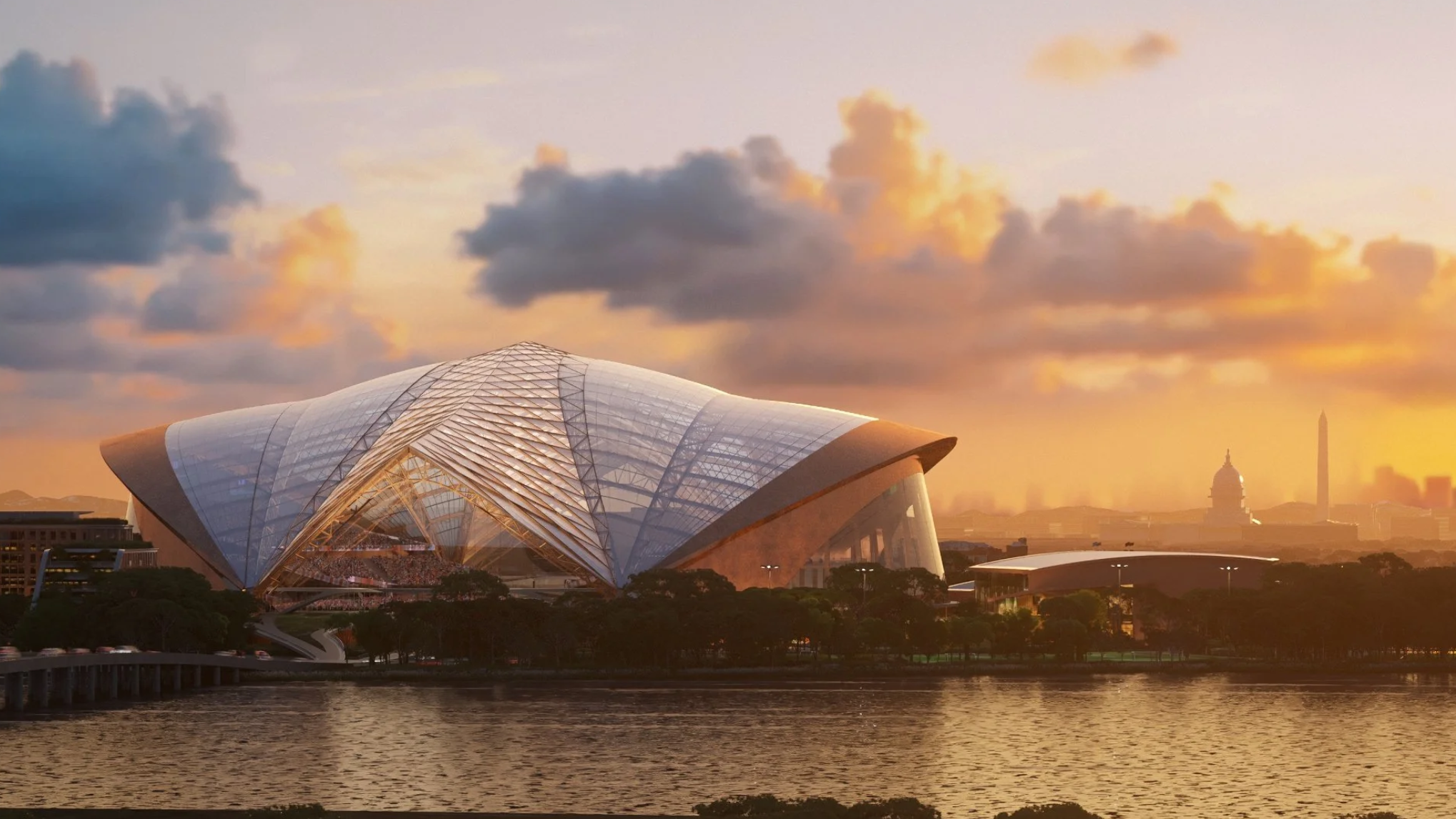
This project represents more than bricks and mortar; it is a chance to reshape an iconic site into a destination that drives economic growth, improves connectivity, and enhances the quality of life across the District and region. The project will create 14,000 construction jobs and 2,000 permanent jobs, generating $4 billion in tax revenue and more than $15.6 billion in direct spending over 30 years. Spanning about 180 acres of the former RFK Stadium site, the campus will transform today’s underused riverfront parcel into a vibrant mixed-use neighborhood.
This RFK Stadium stie redesign rendering is provided by KATO. See more here: https://www.rfknewstadium.com/
Earlier this year, the Board of Trade, city officials, and other local and regional groups testified before the D.C. Council in support of legislation that would unlock the potential of the RFK site and allow the city to move forward with a transformative vision, including:
Letters of support were submitted to the D.C. Council outlining the opportunity to transform the District through a 65,000-seat roofed stadium for the Washington Commanders, designed to host not only football but also up to 200 annual events, including concerts and cultural gatherings.
In initial testimony before the D.C. Council, the case was made for legislation to unlock the potential of the RFK site and advance a broader vision for redevelopment. The testimony highlighted priorities such as strong transit connections, economic competitiveness, and community benefits. Specific elements included 6,000 new housing units (with at least 30% affordable), hotel rooms, new restaurants and retail, parking, an $89 million youth sportsplex, activation of the Fields at RFK, expanded green space, riverfront access, and walkable parks. (read our testimony here)
Subsequent testimony supported the RFK Stadium funding bill and underscored the importance of timely action to prioritize infrastructure, affordable housing, and adherence to construction timelines. (read our second testimony here)
In addition, Mayor Bowser and community leaders convened engagement events, including a rally at the Wilson Building and a stakeholder event hosted by the Mayor, to highlight the redevelopment’s potential business opportunities. These gatherings drew attention to the broad community and economic impacts of this once-in-a-generation project.
Throughout the entire process, we have been in ongoing dialogue with the Washington Commandersto ensure that the project balances economic competitiveness with community needs — from workforce opportunities to improved transit access and mixed-use development that serves residents and businesses alike. With upgraded utilities, new roadways, improved transit access, and vibrant hospitality districts like the Riverfront and Plaza, the project will revitalize the site and surrounding neighborhoods. It will serve as a community anchor by blending housing, commerce, recreation, and entertainment into a powerful driver of growth for the District.
The Board of Trade will continue to champion this redevelopment as an engine of growth, connectivity, and opportunity for the entire region.We look forward to continuing conversations with the Commanders, community leaders, and stakeholders to unlock all that the RFK site has to offer.
“The Greater Washington Board of Trade shares the priority of keeping our communities safe and ensuring that people and businesses can thrive without disruption. Public safety is the foundation of a strong economy and quality of life.
In recent years, the District has made meaningful progress in reducing crime, with violent crime and property crime now at some of the lowest levels in recent memory. These gains are the result of sustained efforts by city leadership, law enforcement, business leaders, community organizations, and residents working together.
We welcome continued federal cooperation and coordination to build on this success. However, the National Guard’s mission is not law enforcement, and the deployment of troops for this purpose is likely unnecessary. We encourage federal leaders to work closely with District officials to support proven, community-based strategies that enhance safety while respecting the rights and trust of all residents.
The Board of Trade remains committed to fostering a safe, resilient, and inclusive Capital Region for all who live, work, and visit here.”
ABOUT THE BOARD OF TRADE
The Greater Washington Board of Trade, founded in 1889, is the region’s premier non-partisan business organization representing industry, nonprofits, universities, and government agencies. The Board of Trade addresses complex and always-evolving business concerns that stretch across the District of Columbia, suburban Maryland and Northern Virginia, with a priority focus on inclusive economic growth, improving the business climate, and enhancing the region’s economic competitiveness.
READ MORE POLICY ISSUES AND TOPICS THE BOARD OF TRADE IS FOLLOWING