Strengthening the DMV Region’s Energy Future
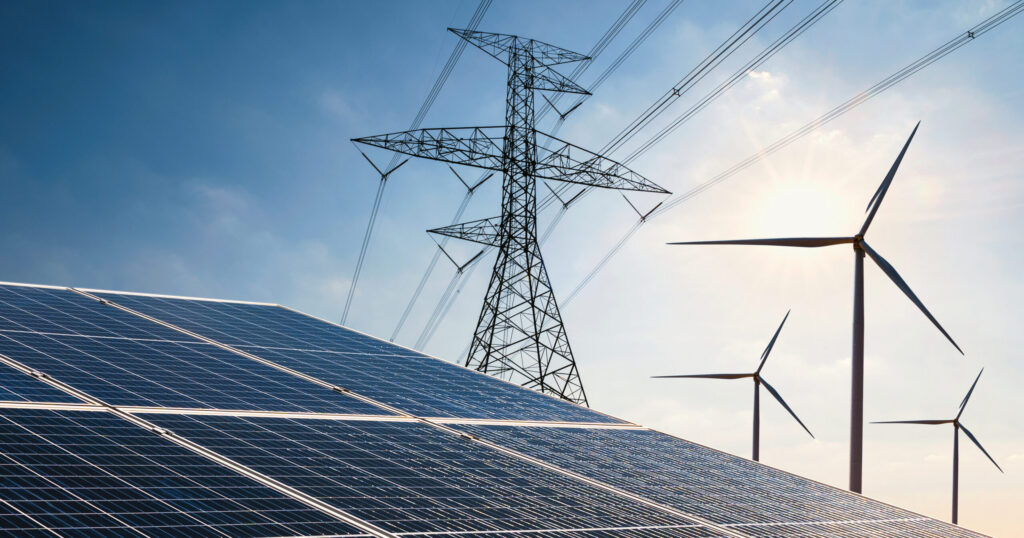
The conversation around Greater Washington’s (DMV) energy future has shifted from a distant policy debate to a defining operational reality.
At our recent GWBOT Executive Lunch, the dialogue wasn’t just about kilowatts and transmission lines; it was about the collective resilience of our region and the urgent need to respond to an energy system that is changing faster than our infrastructure can keep pace.
The Stark Reality: A Surge in Energy Demand
The data behind this shift is staggering. Kevin Carey from AOBA highlighted insights from PJM Interconnection that paint a clear picture of the road ahead: we are facing a projected 30GW of load growth between 2025 and 2030, with an additional 30GW+ expected by 2040. This surge is largely propelled by our digital-first economy, with U.S. power demand from data centers expected to more than double from current levels.
While demand is skyrocketing, our ability to meet it remains constrained. In 2025, only about 2 GW of new generation came online in PJM; a significant drop from the 5 GW added just the year prior. Perhaps most concerning is the bottleneck in the construction queue; of the ~44 GW of capacity currently in development, roughly three-quarters remain stalled in engineering or procurement.
What Those Numbers Mean to Regional Leaders
The conversation revealed a shared understanding: energy reliability is the silent engine of regional economic development. Whether it’s Washington Gas emphasizing the importance of a diverse energy mix or WTOP sharing its ability to report on the infrastructure that connects us, every leader in the room recognized that our collective growth depends on a modern, robust grid.
For our nonprofits and small businesses, the challenge is one of bandwidth. When you are heavily focused on a daily critical mission, whether it’s community health or essential services, finding the time to navigate complex energy policy can feel like an impossible addition to an already full plate. However, we discussed how even small, incremental steps, like understanding your organization’s capacity tag or advocating for streamlined local permitting, can make a difference.
Leaders from Perkins Eastman and the Universities at Shady Grove urged us to build with adaptability in mind, pointing to the miles of railroad infrastructure that made perfect sense in one era, only to be torn out as technology and growth patterns changed. We must move quickly to support projects like Valley Link and Joshua Falls, but do so informed by innovative insight and research. We can’t afford temporary fixes; we need long-life infrastructure that keeps power dependable and costs predictable for employers across the region.
A Call for Collaborative Action for Energy Future
The takeaway from our discussion was clear: the grid is the floor upon which we all stand. To keep it solid, we must collaborate to support each other and quickly address these critical needs with the most innovative and thought-out approach possible. Join the conversation in addressing critical questions such as:
- How can we streamline the 75% of stalled projects in the queue to get them online faster?
- How do we ensure our smallest community anchors aren’t left behind as energy costs fluctuate?
- Are we building the infrastructure that will still be powering the DMV 50 years from now?
Now is the time for coordinated action across employers, utilities, and local jurisdictions. We encourage all our members to engage with our energy policy initiatives and join the solutioning for a reliable, sustainable, and affordable power system.
To learn more about how your organization can be involved in our energy initiative, reach out to [email protected].
Insights from the Table is a membership-driven series of specific takeaways from our Executive Lunches, where local and state leaders help inform our organization’s decisions and guide the work we do in a rapidly evolving regional environment. Your impact and insights matter to the growth of Greater Washington.
Become a member today
We need your voice at the table to make Greater Washington a place where everyone can succeed