Councilmember McDuffie Shares His Vision for Washington DC
The Board of Trade has extended invitations to other candidates in these races and continues to welcome opportunities for members to hear directly from those seeking to lead and represent the District.
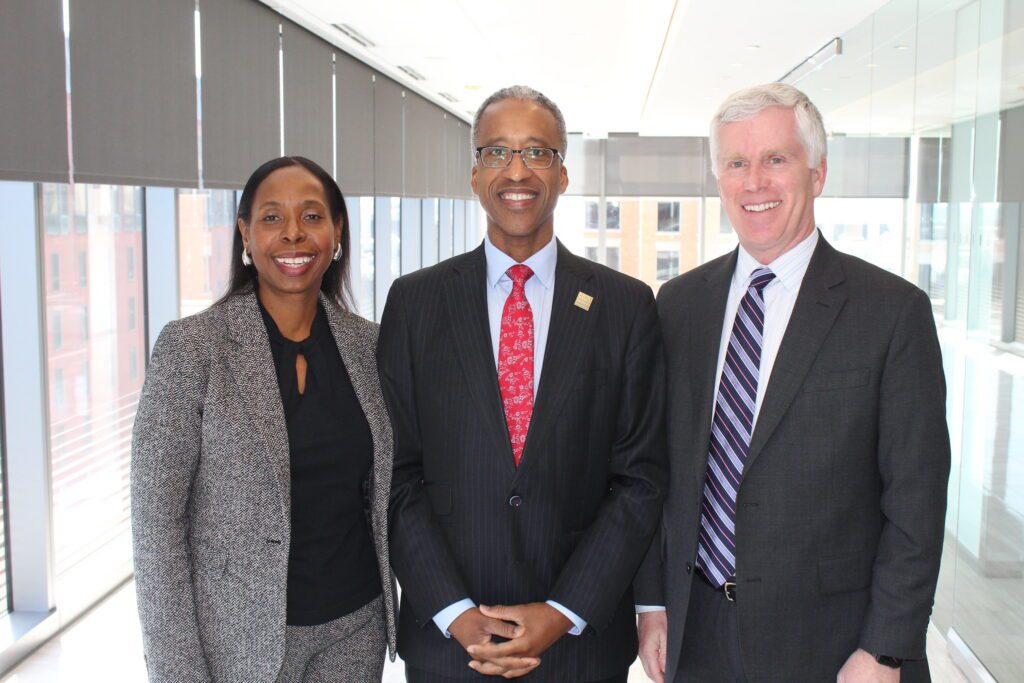
As part of the Greater Washington Board of Trade’s DC Election Watch series, presented in partnership with Holland & Knight, Board of Trade members gathered in downtown Washington for a candid conversation with mayoral candidate Kenyan McDuffie on the future of the District’s economy, business climate, and long-term competitiveness. The discussion was moderated by Janene Jackson, Executive Partner at Holland & Knight, and brought together regional leaders from across business, nonprofit, education, transportation, finance, and civic sectors.
Throughout the discussion, McDuffie returned to a consistent theme: D.C. is at an inflection point. In his view, the city’s next mayor must focus on growing the economy, improving the experience of doing business, building more housing, strengthening public confidence, and positioning the District to compete more effectively within the region.
For Board of Trade members, several themes stood out clearly from the conversation:
Key takeaways from the discussion
- The economy, housing, and public safety were his top issues. McDuffie framed economic growth as the foundation for job creation, public safety, housing, and the city’s long-term fiscal health.
- He emphasized faster, more responsive government. He repeatedly pointed to permitting delays, regulatory burden, and slow agency processes as barriers to growth.
- He forcefully rejected the idea that pro-business and pro-equity are opposing values. He argued that stronger economic growth is what makes opportunity, public investment, and long-term inclusion possible.
- He tied housing production to competitiveness. His comments focused on the need to reduce the cost and time required to get housing built in the District.
- He treated Metro and regional mobility as essential to growth. He spoke about transportation not as a standalone issue, but as a core part of workforce access and economic performance.
The conversation reflected many of the concerns business and civic leaders continue to raise about D.C.’s trajectory: whether the city can move faster, attract and retain investment, support employers already here, and create the conditions for long-term growth that benefits residents across all eight wards.
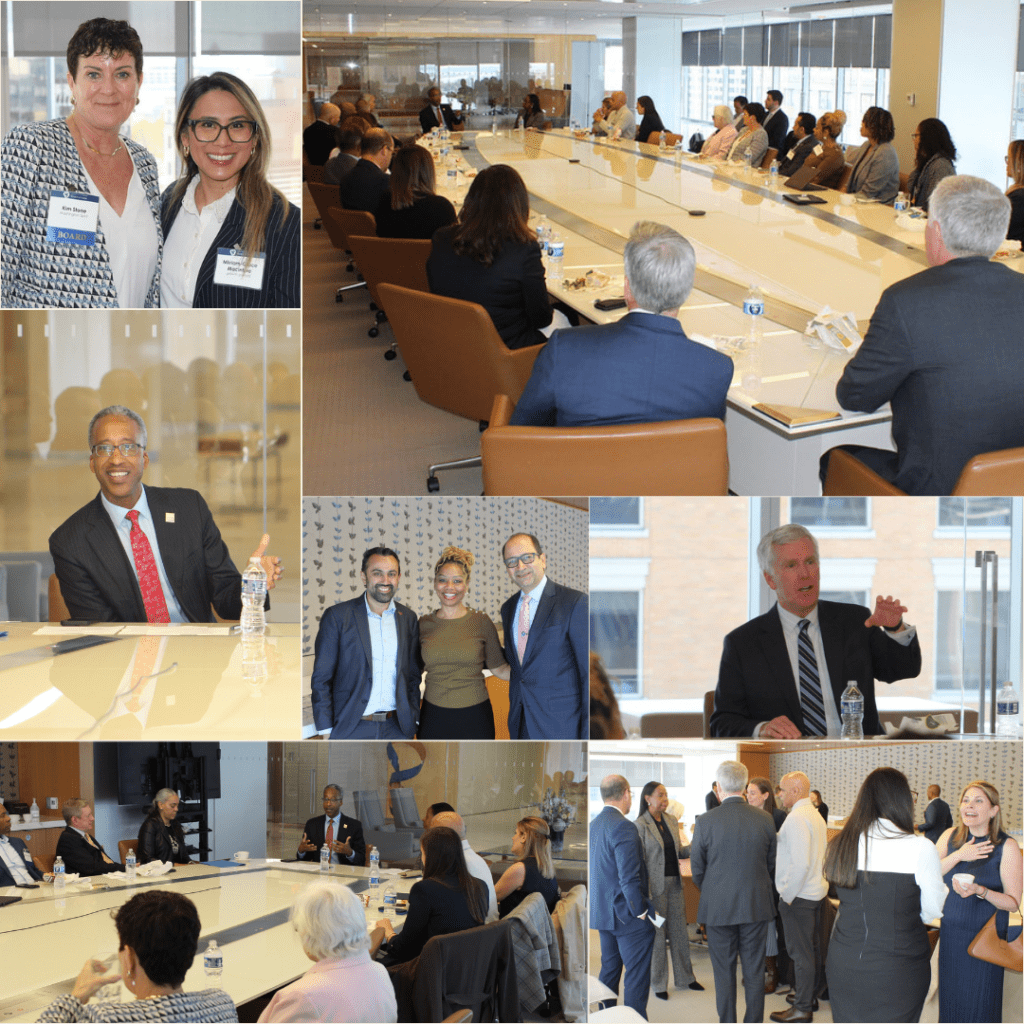
VIEW MORE PHOTOS FROM THIS DISCUSSION
Below are a few highlights from the conversation.
Q&A Highlights
What is the most pressing issue facing the city?
McDuffie pointed first to the economy. He described the District as being at a turning point and said the central question for city leadership is how to grow the economy in a way that creates jobs, attracts business and residents, strengthens the tax base, and expands opportunity without leaving people behind.
How does he view the relationship between business growth and equity?
This was one of McDuffie’s most emphatic moments of the discussion. He pushed back hard on the idea that being aligned with business means being any less committed to fairness, opportunity, or progressive outcomes. Instead, he argued that the District needs leadership that understands how economic growth and inclusive growth work together.
He pointed to his own record to make that case, citing work on direct cash assistance, baby bonds, affordable housing, and police accountability, while also making clear that he has never seen support for business and support for residents as opposing ideas. In his view, the city cannot build pathways to opportunity, strengthen public safety, or sustain critical public investments without a stronger economy and a broader base of business activity.
More than anywhere else in the conversation, this was the moment where McDuffie’s personal conviction came through. He spoke not just as a policymaker, but as someone shaped by his own experience growing up in the District and seeing firsthand what happens when economic opportunity is out of reach.
What does D.C. need to do to attract and retain business?
McDuffie’s answer centered less on marketing and more on execution. He argued that the city’s best strategy is to better support the businesses already here by reducing friction, lowering the cost of doing business, and restoring confidence that government can move at the speed required for investment. He pointed in particular to permitting, agency responsiveness, and the use of technology to create a more efficient and predictable business environment.
Where is the biggest opportunity to improve the business experience?
He returned to both mindset and mechanics. Beyond process reform, McDuffie said D.C. government has to operate with a clearer understanding that business growth, job creation, and public revenues are interconnected. In his view, improving the business climate starts with leadership setting the tone that the District wants employers to succeed here and then backing that up with real operational changes.
How does housing fit into economic competitiveness?
McDuffie made the case that D.C. must build more housing and make it easier to do so. He focused on the cost and time tied to approvals, the cumulative effect of regulations and litigation, and the need to unlock stalled projects more quickly. He also stressed that the city needs housing across income levels so that workers can live closer to where they work and employers can compete for talent.
What role does regional collaboration play?
Speaking to a Board of Trade audience that thinks regionally, McDuffie argued that D.C., Maryland, and Virginia should spend less time treating growth as a zero-sum competition and more time focusing on shared economic wins. He pointed to workforce, transportation, and major development opportunities as areas where regional collaboration could better support long-term prosperity.
How did he describe transportation and Metro’s role?
McDuffie was clear that Metro remains essential to the District’s future economic growth and to the strength of the regional economy. He connected investment in transit to access, affordability, workforce mobility, and downtown recovery, while also noting the importance of continued improvements to bus service and the broader experience of moving people into and through the city.
What did he say about downtown?
In audience discussion, McDuffie agreed that downtown recovery requires more than office-to-residential conversion alone. He pointed to the need for a broader revitalization strategy that includes targeted investment, tenant attraction, stronger street-level experience, and a realistic understanding of how important downtown office activity remains to the District’s fiscal future.
The Board of Trade appreciates Councilmember McDuffie for joining this important conversation and sharing his perspective with our members. We also thank Holland & Knight for hosting the discussion and for their partnership in the DC Election Watch series, which is designed to give business and civic leaders the opportunity to hear directly from candidates about the future of the District.
Note: The Board of Trade has extended invitations to other candidates in these races and continues to welcome opportunities for members to hear directly from those seeking to lead and represent the District.
Become a member today
We need your voice at the table to make Greater Washington a place where everyone can succeed